


We ship worldwide - see checkout for options

Exceptional customer service trusted by 100's
£137.95
We ship worldwide - see checkout for options
Exceptional customer service trusted by 100's
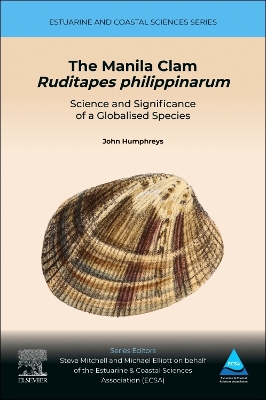
The Manila Clam Ruditapes Philippinarum: Science and Significance of a Globalised Species is an indispensable volume in the Estuarine and Coastal Science” book series offering the only comprehensive account of the Manila clam, covering its journey from its native range in China, Japan, and Korea to its exploitation and establishment in the USA, Canada, Europe, and the Mediterranean. By examining the science and global spread of this successful species, the book addresses broader issues of biological globalization and the exploitation of nature, posing significant questions and challenges for conservation policy and sustainable development in the Anthropocene era. Authored by Prof. John Humphreys, ECSA’s President-Elect, this book draws on a multidisciplinary range of literature to cover essential information in the areas of aquaculture and marine biology.
| Weight | 0.45 kg |
|---|---|
| Author | |
| Editor | |
| Photographer | |
| Format | |
| Illustrators | |
| Publisher |
Only logged in customers who have purchased this product may leave a review.

Paperback
£7.95
Paperback
Original price was: £30.00.£22.00Current price is: £22.00.
Paperback
Original price was: £65.00.£45.00Current price is: £45.00.In Stock

Hardback
£16.50
Hardback
Original price was: £34.95.£30.95Current price is: £30.95.
Hardback
Original price was: £35.00.£29.95Current price is: £29.95.
Paperback
£7.95
Reviews
There are no reviews yet.