


We ship worldwide - see checkout for options

Exceptional customer service trusted by 100's
£55.95
We ship worldwide - see checkout for options
Exceptional customer service trusted by 100's
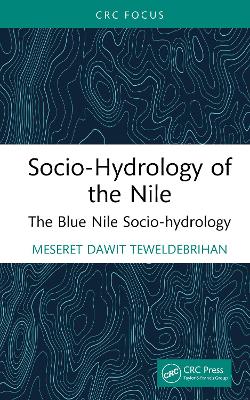
Traditional hydrological models inadequately manage complex water systems like the Blue Nile by ignoring dynamic human-water interactions. Socio-hydrological approaches integrate bidirectional feedback loops where human activities affect water resources, which subsequently influence societal behaviours. This book combines social and hydrological disciplines, incorporating ecological factors, population dynamics, and environmental awareness to enable sustainable water management that prioritizes long-term ecosystem health over short-term economic gains. Key Features Reflects the focus on the interaction between social systems and hydrological processes within the Nile Basin Provides a detailed analysis of current water availability, variability and competing demands. Delves into the complex issue of transboundary water governance, including the dynamics of cooperation and conflict among riparian countries, existing agreements Offers lessons for other river basins facing similar socio-environmental challenges Includes specific case studies, such as the Grand Ethiopian Renaissance Dam (GERD) and community-based water management strategies This book is aimed at academics, water professionals and policy makers.
| Weight | 0.268272 kg |
|---|---|
| Author | |
| Editor | |
| Photographer | |
| Format | |
| Illustrators | |
| Publisher |
Only logged in customers who have purchased this product may leave a review.

Paperback
£12.00 Paperback
£16.50
Paperback
£7.50
Paperback
£49.50
Paperback / softback
£119.95
Hardback
£39.50 Paperback / softback
£6.95
Reviews
There are no reviews yet.