


We ship worldwide - see checkout for options

Exceptional customer service trusted by 100's

£74.95
We ship worldwide - see checkout for options
Exceptional customer service trusted by 100's
Was Mars actually once an abode for extra-terrestrial life? Did water really play an important role in shaping the Martian surface? These questions have driven the bulk of deep space exploration and funding. This book will undertake a multidisciplinary approach to critically analyze the latest findings from telescopic and space missions. It will compare geomorphology as inferred from Earth-based processes to mineralogy and other remotely sensed data to understand the complex processes that have “driven” Mars throughout its history. Introducing complex material in an appealing format to non-specialists, this book will explore remote sensing methods as applied to Mars exploration and the challenges of inferring complex processes in the absence of human field surveys enjoyed on Earth. This includes the convoluted history of space mission development, many of which have ended in failure. The book introduces “Mars 2.0” , uncovering the growing research into innovative sensors and small spacecraft that provide increased opportunities to do real science on small budgets. It will investigate the utility of reduced-scope missions and analogous testing to provide insight into a step change in Mars mission development. This work highlights Mars as a tangible scientific frontier, whose explorations have application to Earth environmental and geological studies. It will also look into the future of Mars exploration, where international collaboration for Mars Sample Return is accelerating the pathway for human exploration.
| Weight | 0.5 kg |
|---|---|
| Author | |
| Editor | |
| Photographer | |
| Format | |
| Illustrators | |
| Publisher |
Only logged in customers who have purchased this product may leave a review.
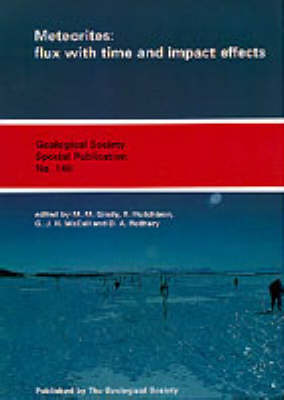
Hardback
£100.00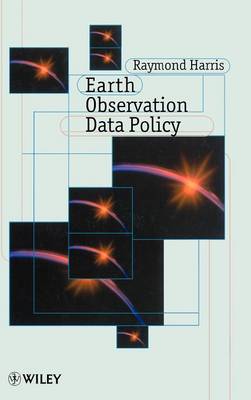
Hardback
£230.95
Hardback
£70.95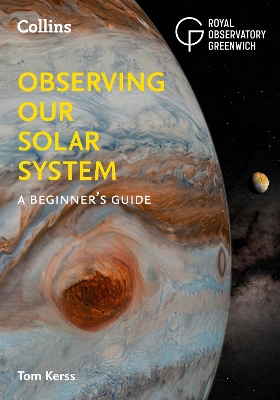
Paperback / softback
£8.95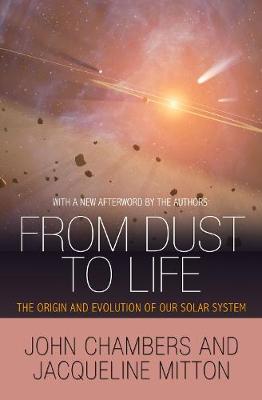
Paperback / softback
Original price was: £22.00.£13.46Current price is: £13.46.
Hardback
£12.95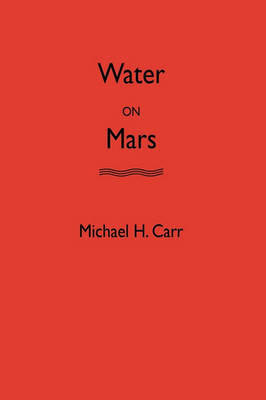
Hardback
£79.00
Reviews
There are no reviews yet.