


We ship worldwide - see checkout for options

Exceptional customer service trusted by 100's
£80.00
We ship worldwide - see checkout for options
Exceptional customer service trusted by 100's
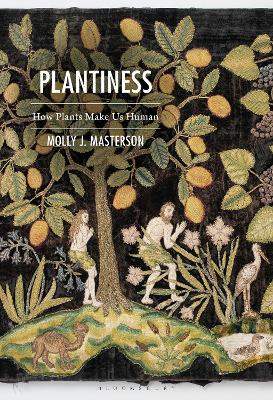
Plants have always shaped what it means to be human, changing our behaviours, settlement patterns, and our relations with the world. Taking inspiration from ethnobotany, human geography, and anthropology, plantiness is a theoretical framework for understanding plant liveliness, intelligence, and labour. These characteristics are then combined with existing archaeological theories such as making-in-growing, plant aesthetics, and plant edibility to provide us with a practical way of viewing plants’ lively influences, opening up new windows to the past. Plants are not just good to use or eat, they are good to think with. They have the ability to connect us to different places, people, and times. They allow us to make and shape objects — shaping ourselves in the process — and provide relationships to landscapes and others, whether human or not. Beginning with the well-preserved fallen trees at Star Carr, an excavated English Mesolithic site, the book dives into case studies that demonstrate plants’ influence on human becoming. Ultimately, the book contradicts narratives of human domination over all things, encouraging us to work alongside — rather than against — the world around us. In highlighting how plantiness shapes human becoming, archaeologists can help redefine our relationship with plants for the future.
| Weight | 0.382888 kg |
|---|---|
| Author | |
| Editor | |
| Photographer | |
| Format | |
| Illustrators | |
| Publisher |
Only logged in customers who have purchased this product may leave a review.

Paperback
£17.00
Paperback
£78.00

Paperback
£65.00
Paperback
£0.00 

Reviews
There are no reviews yet.