


We ship worldwide - see checkout for options

Exceptional customer service trusted by 100's
£125.00
We ship worldwide - see checkout for options
Exceptional customer service trusted by 100's
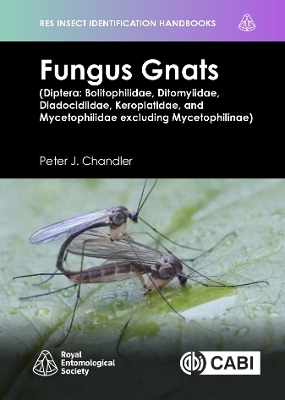
This handbook covers all those British fungus gnats not included in a volume published in 2022, which keyed 334 species of the subfamily Mycetophilinae of family Mycetophilidae. Here keys are provided to the remaining five subfamilies of Mycetophilidae, and to four other families included in the wider definition of fungus gnats: Bolitophilidae, Diadocidiidae, Ditomyiidae and Keroplatidae. Altogether 250 species are included. Fungus gnats may occur in both wooded and open habitats, but they are mainly forest insects as the development of many species is dependent on saproxylic or mycorrhizal fungi. A systematic list of the known fungus hosts of species covered in this handbook is included. There is a wide range of other larval habitats, with some species developing in rotten wood, in bryophytes, in bird’s nests, and in caves, and some, particularly in the family Keroplatidae, have predatory web-spinning larvae on various substrates. Many species are as yet of unknown biology, so there is plenty of scope for new discoveries, but a common factor is that all species are anticipated to have entirely terrestrial life histories, in contrast to some other families of gnats and midges that have aquatic larvae. Fungus gnats may be found throughout the year, their relative abundance affected by prevailing weather conditions and the consequent effect on the availability of fungus hosts. Recognition of species depends on the complex structure of their male genitalia, which are illustrated by photographs for all species; females are not identifiable in some genera but it is indicated where there are characters that enable them to be identified. This latest Royal Entomological Society Insect Identification Handbook is for anyone seeking to identify members of this group of Diptera, which is a large and important component of biodiversity The book: · Completes keys to a large taxonomic group, together with the previous handbook (published in 2022) · Includes photographs of the diagnostic features of all species · Facilitates the identification of a significant part of forest and saproxylic faunas
| Weight | 0.797392 kg |
|---|---|
| Author | |
| Editor | |
| Photographer | |
| Format | |
| Illustrators | |
| Publisher |
Only logged in customers who have purchased this product may leave a review.

Paperback
£7.95
Paperback
Original price was: £19.95.£13.95Current price is: £13.95.In Stock

Hardback

Hardback
Original price was: £35.00.£29.95Current price is: £29.95.
Paperback
Original price was: £30.00.£22.00Current price is: £22.00.
Paperback
Original price was: £12.95.£12.50Current price is: £12.50.

Paperback
Reviews
There are no reviews yet.