


We ship worldwide - see checkout for options

Exceptional customer service trusted by 100's
£199.95
We ship worldwide - see checkout for options
Exceptional customer service trusted by 100's
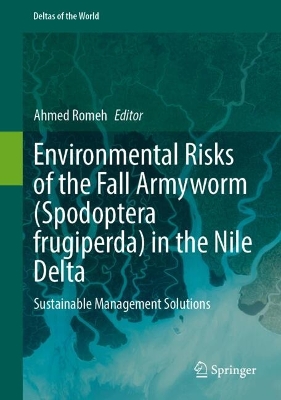
This book offers a comprehensive examination of the global distribution, agricultural damage, and environmental risks of the Fall Armyworm (Spodoptera frugiperda), with a focused case study of its invasion and management in Egypt’s Nile Delta. It situates the pest’s spread within comparative regional contexts worldwide and analyzes the environmental pollution arising from pesticide resistance and unsustainable control practices. The volume discusses international frameworks for sustainable pest management, particularly in the context of climate change. The book reviews the latest innovative technologies and methods for controlling the Fall Armyworm, covering a full spectrum of sustainable solutions. It covers enhanced monitoring efficiency and integrated pest management strategies; agro-ecological options as low-cost solutions for smallholders; biological control using natural enemies and biopesticides; the rational use of pesticides within IPM frameworks; breeding maize for Fall Armyworm resistance; green technology applications including biochar and botanical insecticides as safe control methods; the integration of pesticide delivery systems with nanotechnology for Fall Armyworm control. This timely and comprehensive publication bridges scientific gaps in Fall Armyworm management and meets the growing global demand for sustainable solutions to managing this invasive pest. It supports several SDGs. The book is an essential reference for researchers, ministries of agriculture, environmental protection agencies, policymakers, stakeholders, agricultural producers, and companies seeking to increase production sustainably, as well as decision-makers working to apply integrated, evidence-based Fall Armyworm management at local, national, and global levels.
| Weight | 0.5 kg |
|---|---|
| Author | |
| Editor | |
| Photographer | |
| Format | |
| Illustrators | |
| Publisher |
Only logged in customers who have purchased this product may leave a review.

Paperback / softback
£16.00
Paperback
£9.95 Paperback
£16.50
Paperback / softback
£119.95
Paperback / softback
£19.00
Paperback
£10.00
Paperback
Original price was: £89.95.£84.95Current price is: £84.95.
Other digital
£80.34

Reviews
There are no reviews yet.