


We ship worldwide - see checkout for options

Exceptional customer service trusted by 100's
£109.95
We ship worldwide - see checkout for options
Exceptional customer service trusted by 100's
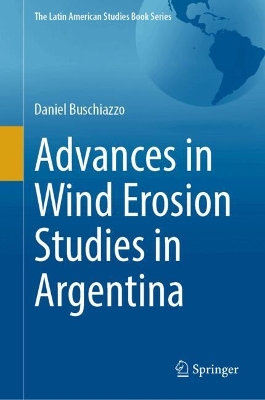
This book describes that Wind erosion is one of the most important soil degradation processes of agricultural soils in the world. The issue is especially pressing for Argentina, where more than 75% of the country’s territory is vulnerable to this irreversible soil degradation process. Causes of this high susceptibility are the climatic conditions (low rains and high speeded winds), the high erodibility of soils, mostly developed on aeolian loess-like sediments, and farmers’ inadequate management systems. Although Argentina is a critical case, it is not alone. Drawing on the extensive expertise of the Institute for Earth and Environmental Sciences of La Pampa (INCITAP, CONICET), this volume addresses the causes and effects of this process. This book presents a review of wind erosion research in Argentina since the early 1940s, including developments in mapping wind erosion risks, quantifying wind erosion under different conditions and the emissions of dust from different soils, and identifying the chemical and physical composition of aeolian materials. Descriptions of new tools and models are also included. Finally, the book addresses some policy interventions related to controlling wind erosion. This multifaceted analysis of current research on wind erosion of soils holds lessons for researchers and practitioners around the world who can draw from experience and expertise in Argentina.
| Weight | 0.5 kg |
|---|---|
| Author | |
| Editor | |
| Photographer | |
| Format | |
| Illustrators | |
| Publisher |
Only logged in customers who have purchased this product may leave a review.
Other digital
£80.34
Paperback
£20.00
Paperback
£49.50
Paperback
£7.50
Paperback
£7.50
Paperback
£2.00
Paperback / softback
£14.95
Hardback
£37.50
Reviews
There are no reviews yet.