


We ship worldwide - see checkout for options

Exceptional customer service trusted by 100's
£120.00
We ship worldwide - see checkout for options
Exceptional customer service trusted by 100's
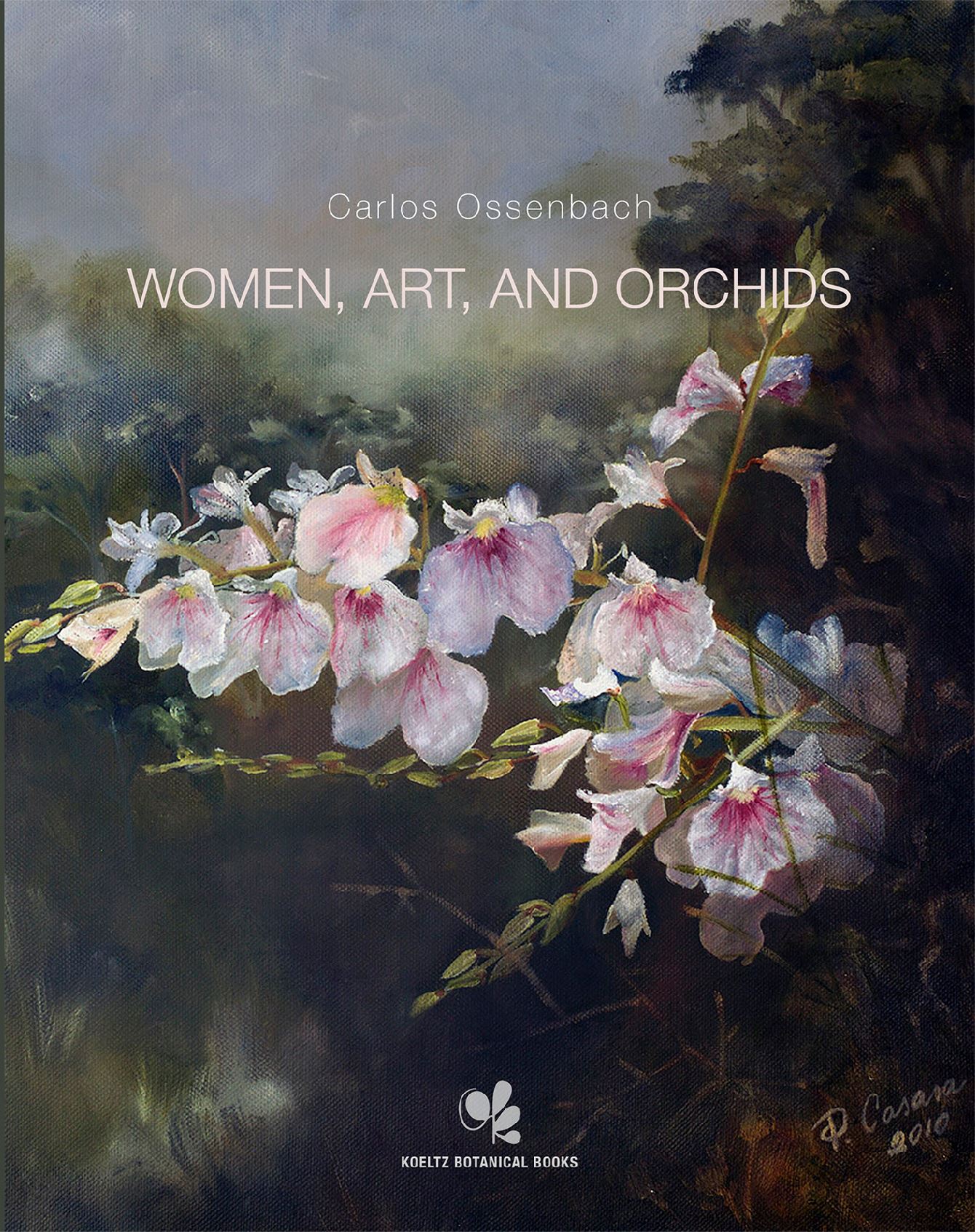
Women, Art, and Orchids explores the significant yet often overlooked contributions of women to orchid botany, illustration, and horticulture.
Botanical art has long been—and continues to be—an essential medium. Beyond capturing beauty, it provides precise, reliable information that historically could not be conveyed through written description alone. Although the rise of photography reduced the perceived importance of artistic botanical illustration, even modern imaging techniques cannot always reveal critical details in a single, idealized image or composite view. Pen-and-ink line drawings, can overcome these limitations, but still demand exceptional observational and artistic skills.
As noted in the preface:
“It is interesting how, in the era of total digital reproducibility of natural reality, botanical illustration created with pen and ink and watercolour and tempera is far from having exhausted its function in science and is instead experiencing an era of fruitful renaissance all over the world. Of course, one might ask whether there is a special reason for choosing to observe the history of scientific illustration through the magnifying glass of the female gender, as Ossenbach has done in this book. My response, upon reading the extraordinary accounts presented by the author, is that this reason not only exists, but it is also certainly valid.”
— Franco Pupulin
The contributions of female botanical illustrators to the understanding and appreciation of the plant kingdom cannot be overstated. As Wilfrid Blunt observed,
“Much of the identification of plants today derives from original paintings and the handwritten descriptions that go with them.”
Flowers—delicate, natural, and beautiful—have long embodied qualities traditionally associated with femininity. As a result, their cultivation and depiction were among the few artistic pursuits permitted to women in a patriarchal society that restricted access to most other fields. Women were believed to possess a natural aptitude for decoration, and the study of flowers was seen as a way to refine skills useful for design and domestic ornamentation, and even as an advantage on the marriage market. Moreover, this field could be pursued at home, required limited resources, and avoided the social constraints of working outside the household.
Women, Art, and Orchids tells the story of how, despite these limitations, many women achieved both professional and financial success. Those who were able to practice their art were often from the middle and upper classes, with the leisure and resources to do so. Yet they were far from passive participants: these women claimed their place in history through serious artistic and scientific achievement.
Following an introduction highlighting women’s successes in science and the pictorial arts, the core of the book consists of biographical sketches and selected illustrations by outstanding female artists whose work made lasting contributions to the study of tropical orchids.
CONTENTS– click to view
| Weight | 1.8 kg |
|---|---|
| Format | |
| Publisher |
Only logged in customers who have purchased this product may leave a review.
Paperback
£0.00
Paperback
Original price was: £24.50.£23.95Current price is: £23.95.
Hardback
Original price was: £76.00.£69.00Current price is: £69.00.In Stock
Hardback
Original price was: £76.00.£69.00Current price is: £69.00.
Hardback
Original price was: £76.00.£69.00Current price is: £69.00.In Stock

Hardback
£25.00
Hardback
Original price was: £76.00.£69.00Current price is: £69.00.
Hardback
Original price was: £76.00.£69.00Current price is: £69.00.In Stock
Reviews
There are no reviews yet.