


We ship worldwide - see checkout for options

Exceptional customer service trusted by 100's
£63.00
We ship worldwide - see checkout for options
Exceptional customer service trusted by 100's
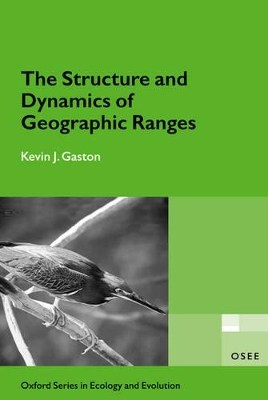
No species occurs everywhere. Indeed, the majority are absent from most places, and where they do occur they are usually quite rare. Gaston discusses the structure of these distributions – the structure of the geographic ranges of species. Gaston is particularly concerned with the factors that determine the limits to a species’ geographic range, how the sizes of those ranges vary, and patterns in that variation. Also considered are the distribution of individuals amongst those sites where a species does occur and what determines that distribution, and some of the practical implications of all these. Both in a pure and applied context, ecologists need a broader perspective on their subject matter than has historically prevailed. This book provides one such perspective. A must have book for any researchers and graduate students studying macroecology, biogeography and conservation biology.
| Weight | 0.617 kg |
|---|---|
| Author | |
| Editor | |
| Photographer | |
| Format | |
| Illustrators | |
| Publisher |
Only logged in customers who have purchased this product may leave a review.

Hardback
£157.50
Paperback
Original price was: £74.95.£69.95Current price is: £69.95.In Stock
Paperback
£33.00
Paperback
Original price was: £53.00.£48.00Current price is: £48.00.In Stock

Hardback
Original price was: £52.95.£44.00Current price is: £44.00.
Paperback
Original price was: £56.00.£51.95Current price is: £51.95.
Hardback
£0.00
Reviews
There are no reviews yet.