


We ship worldwide - see checkout for options

Exceptional customer service trusted by 100's
£139.00
We ship worldwide - see checkout for options
Exceptional customer service trusted by 100's
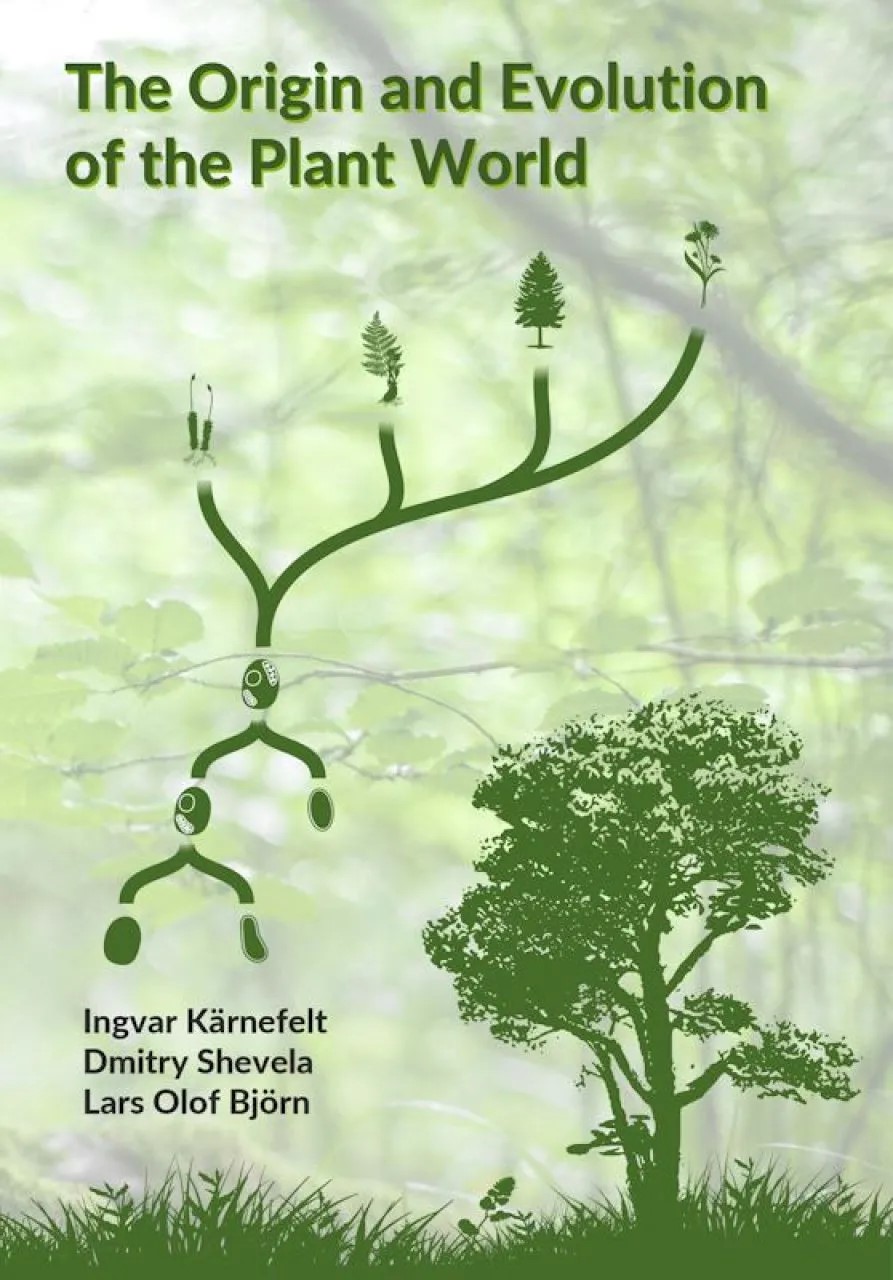
Three plant researchers describe in this book how plants emerged via the fusion of several differehttps://transferwise.com/user/account#activity-23297111nt types of simple prokaryotic organisms and, through algae, evolved into land plants. During their evolution, they survived global ice ages, violent volcanic eruptions, and collisions with celestial bodies. The authors follow the development of land plants along various paths – some of which have ended. Horsetails, quillworts and the Chinese temple tree are among the last remnants of once-great plant groups, whereas flowering plants now thrive, with their number of species exceeding all other plant groups combined. With the help of insects and fungi, flowering plants have reached this position. The final chapters provide a glimpse into the future of plants, our planet, and humanity, spanning 42 chapters in total.
Preface v
I. From a Distant Past to the Present
1. Photosynthesis: From Solar Energy to the Energy of Life 3
2. The Emergence of Eukaryotic Cells 9
3. Sexual Reproduction 13
4. Chloroplasts 15
5. The Red-Brown Line of Evolution: Red Algae and Their Host Organisms 23
6. Dinoflagellates, a Strange Branch on the Red-Brown Track 31
7. Lives in Glasshouses: The Diatoms 35
8. Glaucophytes: A Small but Fascinating Twig on the Tree of Life 41
9. Multicellularity 45
10. Surviving in Nifelheim 47
11. Plant Life at the Transition from the Ordovician to the Silurian 53
12. Hand in Hand onto Land 59
13. Spikemosses and the Mysterious Appearance of Pyrenoids 69
14. Alternation of Generations 73
15. Stomata: No More Contact with the Atmosphere than Necessary 77
16. The Sense Organ at the Tip of the Plant Root 85
17. The First Forests and the First Forest Fires 95
18. Seed Ferns 101
19. The Disaster at the End of the Permian 105
20. Horsetails: The Small Tough Remains of a Once Mighty Clan 113
21. Quillworts and Their Remarkable Relatives 119
22. A Survivor: The Chinese Temple Tree, Ginkgo biloba 125
23. Cycads on the Decline 131
24. Pollen Tube, Double Fertilization, Endosperm, and Long-Lived Seeds 141
25. A New Partnership: Insects and Flowering Plants 147
26. Grasses Spread Over the Land Surface – and Help People Spread 155
27. One More Cooperation: Endophytes Some Flowering Plants in Our Time 167
II. Some Flowering Plants in Our Time
28. The Biggest and the Smallest Inflorescence – in the Same Family 175
29. The Flora of New Caledonia 179
30. The Genus Prunus: Beautiful, Delicious, and Poisonous 187
31. The Genus of Sweet Potato, Ipomoa 197
32. Hawthorn, Hippophad rhamnoides 203
33. Nuytsia floribunda – the Unique Mistletoe Tree of South-West Australia 209
34. The Fig Genus, Ficus 215
35. Euphorbiaceae and Rafflesiaceae 221
III. The Plants, Our Planet, and Our Future
36. Species and Biological Diversity 229
37. Speciation in the Flora of the Canary Islands 235
38. The High Alpine Flora Threatened Through Climatic Change 251
39. Darwin’s Botanical World: Reflections From His Thinking Path 257
40. Biodiversity Hotspots 271
41. Why Preserve Biological Diversity? 275
42. The Plants, Our Planet, and Our Future 277
Subject Index 279
Index of Genera 283
| Weight | 1.2 kg |
|---|---|
| _customs_country_of_origin | DE |
| Format | |
| Publisher |
Only logged in customers who have purchased this product may leave a review.

Hardback
£0.00
Hardback
Original price was: £45.95.£39.95Current price is: £39.95.
Paperback
£0.00
Hardback
£0.00
Paperback
£74.00
Hardback
£65.00
Paperback
Original price was: £54.95.£49.95Current price is: £49.95.In Stock

Hardback
£80.00

Reviews
There are no reviews yet.