


We ship worldwide - see checkout for options

Exceptional customer service trusted by 100's
£179.95
We ship worldwide - see checkout for options
Exceptional customer service trusted by 100's
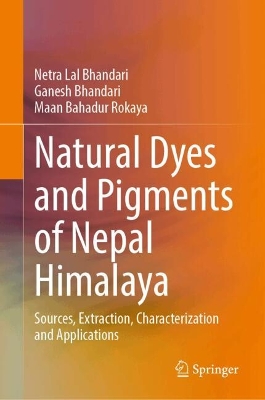
This book outlines Nepal Himalaya’s rich tradition of natural dyes and pigments, examining their historical roots, chemical properties, and diverse applications. By focusing on the sustainable use of natural dyes, it highlights their potential to foster a greener economy and create economic opportunities, particularly in rural areas. The chapters cover a wide range of topics, including the history and origin of natural dyes, their advantages and disadvantages, and the chemistry that distinguishes them from synthetic alternatives. Readers will gain insights into various dye extraction techniques, from traditional methods to advanced processes like solvent and ultrasonic procedures. The book also discusses the characterization of natural dyes, exploring analytical methods crucial for assessing their stability, safety, and quality. Additionally, it examines the chemistry of mordants, including natural, metallic, and nanomordants, which play a vital role in enhancing color adhesion. The adaptability of natural dyes is showcased through their applications in textiles, food, cosmetics, and even modern energy technologies such as dye-sensitized solar cells. The final chapter evaluates the scope and feasibility of natural dyeing in Nepal, considering both traditional practices and industrial-scale sustainability. By preserving historic practices, this book aims to increase awareness of the environmental benefits of natural dyes and encourage their broad adoption. It is an important resource for researchers, students, craftsmen, environmentalists, and industrialists interested in sustainable coloring practices. It offers valuable insights for scholars of natural sciences and practitioners in the textile industry, providing the knowledge needed to integrate natural dyes into their work and daily life.
| Weight | 0.5 kg |
|---|---|
| Author | |
| Editor | |
| Photographer | |
| Format | |
| Illustrators | |
| Publisher |
Only logged in customers who have purchased this product may leave a review.

Paperback
Original price was: £15.00.£10.00Current price is: £10.00.In Stock

Paperback
£0.00

Paperback
£17.00In Stock
Paperback
£17.00
Reviews
There are no reviews yet.