


We ship worldwide - see checkout for options

Exceptional customer service trusted by 100's
£52.95
We ship worldwide - see checkout for options
Exceptional customer service trusted by 100's
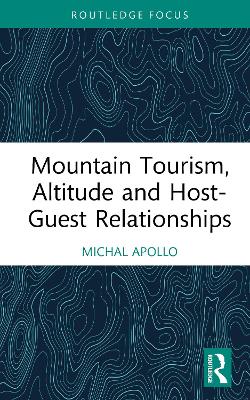
This insightful volume critically explores whether higher altitude of habitation affects host-guest exchanges in mountaineering tourism, in an effort to better understand and manage vulnerable destinations in a sustainable manner. The book is based on empirical research conducted in the Mount Everest area in Nepal, part of the Sagarmatha National Park, which is a popular destination among tourists engaging in high-altitude mountaineering (subdivided into hiking, trekking and mountain climbing). By doing so it offers essential knowledge of mountaineering tourism whilst detailing recent developments linked to the diversification, commodification and commercialisation of mountaineering activity. This is discussed alongside the potentially positive impacts for marginalised high mountain communities. This book is essential reading for students, academics, industry representatives and policymakers with an interest in adventure tourism and mountaineering.
| Weight | 0.453 kg |
|---|---|
| Author | |
| Editor | |
| Photographer | |
| Format | |
| Illustrators | |
| Publisher |
Only logged in customers who have purchased this product may leave a review.

Paperback
£2.00
Paperback
£3.50
Paperback
Original price was: £27.95.£19.00Current price is: £19.00.In Stock

Hardback
Original price was: £28.00.£21.00Current price is: £21.00.
Paperback
£7.95
Paperback
Original price was: £78.00.£69.95Current price is: £69.95.In Stock
Paperback
Original price was: £74.95.£69.95Current price is: £69.95.In Stock

Reviews
There are no reviews yet.