


We ship worldwide - see checkout for options

Exceptional customer service trusted by 100's
£43.95
We ship worldwide - see checkout for options
Exceptional customer service trusted by 100's
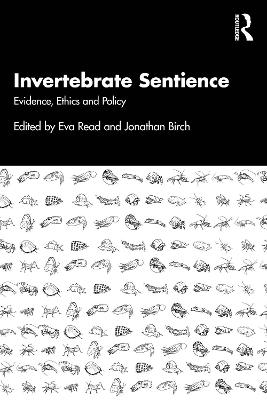
As far back as Jeremy Bentham, philosophers have proposed sentience, especially pain, as the line that determines which animals deserve moral consideration. In recent decades, such thinking has led to a global trend of welfare legislation recognising animals as sentient beings. In the United Kingdom, cephalopod molluscs (octopods, cuttlefish, and squid) and decapod crustaceans (crabs, lobsters, crayfish, and shrimp) are now recognised as sentient beings, though there are still no legal restrictions on how they can be treated. The scientific evidence for animal sentience is nonetheless controversial and even in humans, we cannot directly observe the subjective experiences of others and must rely on outward markers of sentience, such as behaviour and brain activity. This problem is especially acute for invertebrates, where the brain is very differently organized from a vertebrate brain. How can we assess sentience in a crab, bee, octopus, or snail? This timely volume addresses this very question and examines sentience in four groups of invertebrates: cephalopod, molluscs, decapod crustaceans, insects, and gastropod molluscs. The contributors are from several different fields, including philosophy, animal welfare science and invertebrate biologists. Invertebrate Sentience: The Evidence and its Implications will be of interest to upper-level students and researchers in animal sentience, applied ethics, animal science and behaviour and animal welfare, as well as related areas such as environmental and veterinary science.
| Weight | 0.453 kg |
|---|---|
| Author | |
| Editor | |
| Photographer | |
| Format | |
| Illustrators | |
| Publisher |
Only logged in customers who have purchased this product may leave a review.
Hardback
£210.00
Hardback
£187.95
Hardback
£9.95
Paperback / softback
£39.95
Hardback
£16.95
Hardback
Original price was: £129.95.£122.95Current price is: £122.95.
Hardback
£145.95
Reviews
There are no reviews yet.