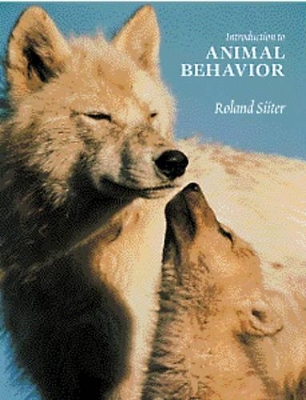
With more emphasis than usual on the behavior of vertebrates and primates (although the author still includes classic bird and insect studies) the book examines how wild animals live, survive, and reproduce in their natural, wild habitats. This unique approach is presented in a straightforward manner without jargon, ensuring that students find the text informative and entertaining. Well-placed examples and explanations provide students with further opportunity to understand the application of the concepts.
1. INTRODUCTION. What This Book Is About. History of the Study of Animal Behavior. Animal Classification. Questions about Animal Behavior. Summary. PART I: SCIENTIFIC APPROACHES. 2. RESEARCH METHODS. The Beginning: Observational Methods. Experimental Methods. Correlational Methods. The Comparative Method. Cost-Benefit Analysis. Avoiding the Pitfall of Storytelling. A Detailed Example: Why Do Songbirds Sing? Research Ethics and Animal Welfare. Summary. 3. EVOLUTION. The Theory of Evolution. Evolution as Fact. Questions about Evolution. Ecology and Evolution. Summary. 4. GENES AND HEREDITY. Basic Genetics. Genetic Change and Evolution. Genes and Behavior. Artificial Selection (Selective Breeding). Summary. 5. LEARNING AND ADAPTATION. Learning As an Adaptive Mechanism. Types of Learning and Their Functions. Adaptive Differences in Learners. Summary. PART II: MAKING A LIVING IN THE WILD. 6. FORAGING AND MIGRATION. Locating Food. Food Selection. Handling and Consuming Food. Migration as a Survival Strategy. Summary. 7. PREDATORS AND PREY. Predator Behaviors. Defenses Against Predation. Evolutionary Arms Races. Summary. 8. COMPETITION AND TERRITORIALITY. Competition for Food. Competition for Mates. Territoriality. Summary. 9. COMMUNICATION AND LIVING IN GROUPS. Channels of Communication. Functions of Communication. Group Living. Summary. PART III: MATING AND PARENTING. 10. SEXUAL CONFLICT, SELECTION, AND COURTSHIP. Sexual Conflict. Alternative Reproductive Strategies. Summary. 11. MATING PATTERNS. Monogamy. Polygyny. Polyandry. Promiscuity/Polygynandry. Summary. 12. PARENTING. The Evolution of Parental Investment. A Survey of Parenting Variations. Unusual Parenting Strategies. Natal Dispersal. Summary. 13. COOPERATION AND HELPING. Mutualism. Reciprocity. Kin Selection. Eusociality. Summary. PART IV: OUR CLOSEST RELATIVES: THE PRIMATES. 14. PRIMATE PATTERNS. What Is a Primate? Prosimians. New World Monkeys. Old World Monkeys. Summary. 15. APES GREAT AND SMALL. Swingers: Gibbons. Orangutans. Gorillas. Common Chimpanzees. The Other Chimpanzee: Bonobos. Can Apes Use Language? Summary. 16. LEARNING AND EARLY EXPERIENCE IN PRIMATES. The Primate Advantage: Observational Learning. The Critical Role of Early Experiences. The Role of Play in Development. Do Animals Think? Summary. 17. EVOLUTIONARY PSYCHOLOGY. Human Evolution. Comparative Human Behavior. Sexual Selection in Humans. CONCLUSIONS. SUMMARY. GLOSSARY. REFERENCES. NAME INDEX. SUBJECT INDEX.





Reviews
There are no reviews yet.