


We ship worldwide - see checkout for options

Exceptional customer service trusted by 100's
£129.95
We ship worldwide - see checkout for options
Exceptional customer service trusted by 100's
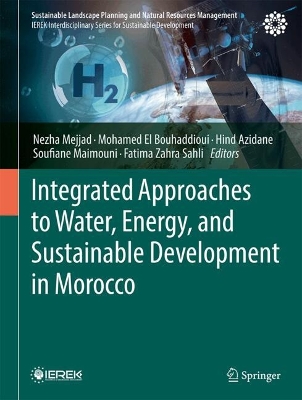
This book provides a comprehensive analysis of the interconnection between water resources, agriculture, and other industrial sectors, along with an exploration of the importance of new alternatives for natural resource conservation and protection, such as waste valorization and its conversion into eco-friendly products, and renewable energy as a solution to climate change. At the same time, it highlights the necessity of civic engagement in tackling these challenges. It is structured into four main sections that address critical challenges and solutions in the field. The first section focuses on water resources and ecosystems, from coastlines to inland valleys, where the first section investigates how natural factors and human activities affect water quality, availability, and sustainability. Through various case studies, the book highlights the complex relationship between water quality and coastal environments. The second section analyses the conversion of environmental challenges into ecological solutions through resource and waste valorization. This section outlines a clear vision for valorizing Morocco’s natural resources (such as phosphate and oil shale) to address agricultural, industrial, and environmental challenges within a sustainable growth framework. The third section investigates the relationship between urban development and land use changes using GIS and remote sensing methods, which are influencing agricultural lands. This part explores the roles of societal behavior and ecological engagement in shaping the path toward sustainability in Morocco. This section presents integrated insights into the importance of civic engagement, social behavior, and dynamics in promoting inclusive and sustainable environmental governance. The fourth section emphasizes hydrogen as an emerging sector and a cornerstone of Morocco’s sustainable energy transition, as well as its growing role in global decarbonization efforts. This part of the book emphasizes the role that green hydrogen may play as a clean energy source in mitigating climate and supporting long-term societal, economic, and environmental sustainability. At the same time, it underscores the importance of strategic planning, technological innovation, and international collaboration in positioning Morocco as a key actor in the global green hydrogen transition. This book serves as a valuable resource for researchers, policymakers, and practitioners seeking innovative solutions to sustainable water resource management, waste valorization, and enhanced energy security amid growing environmental challenges.
| Weight | 0.5 kg |
|---|---|
| Author | |
| Editor | |
| Photographer | |
| Format | |
| Illustrators | |
| Publisher |
Only logged in customers who have purchased this product may leave a review.
Paperback
Original price was: £36.00.£29.95Current price is: £29.95.
Hardback
£0.00
Paperback
Original price was: £46.00.£34.50Current price is: £34.50.In Stock

Hardback
£141.00
Hardback
£395.00 Hardback
£47.50 Paperback
£13.95 Hardback
£105.00
Reviews
There are no reviews yet.