


We ship worldwide - see checkout for options

Exceptional customer service trusted by 100's

£171.95
We ship worldwide - see checkout for options
Exceptional customer service trusted by 100's
This comprehensive book takes readers on a journey from the fundamental principles of scientific explanation to the deepest questions about human consciousness and free will. It sets out a novel and distinctive approach to appreciating what psychological science can tell us about human nature. Beginning with the basics of scientific methodology, it addresses crucial questions often overlooked in psychology curricula, such as what constitutes a scientific explanation, and how do we distinguish between laws, theories, and models? In doing so, it establishes a rigorous foundation for understanding how science works and how it can be applied to the study of mind. The book then delves into the specific methods psychologists use to investigate mental processes; from reaction time studies that reveal the speed of thought to computer models that simulate human cognition, it explores how researchers have developed ingenious ways to make the invisible workings of the mind apparent and measurable. Finally, it also considers comparative work, examining what evolutionary theory and animal studies can reveal about human uniqueness. Both cognitive abilities and sociality are examined and the question of whether we are truly altruistic is addressed. The book concludes with a defence of the view that humans are special in being characterised as mindful agents that adaptively exercise free will. With coverage of a broad range of topics including computer modelling, human thinking and reasoning, pro-sociality, and AI, this book fills a critical gap by combining rigorous methodology with discussion of profound questions about what makes us human. It is essential reading for advanced students and researchers in cognitive science, psychology, and philosophy.
| Weight | 0.4794048 kg |
|---|---|
| Author | |
| Editor | |
| Photographer | |
| Format | |
| Illustrators | |
| Publisher |
Only logged in customers who have purchased this product may leave a review.

Paperback / softback
£7.95
Paperback / softback
£23.95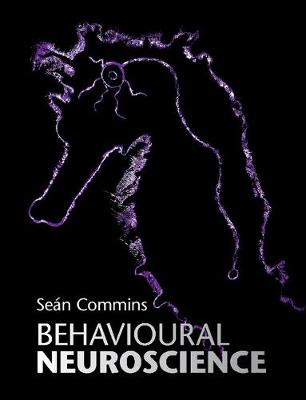
Paperback / softback
£40.00
Hardback
£51.95
Paperback / softback
£14.95
Hardback
£45.00
Reviews
There are no reviews yet.