


We ship worldwide - see checkout for options

Exceptional customer service trusted by 100's
£73.00
We ship worldwide - see checkout for options
Exceptional customer service trusted by 100's
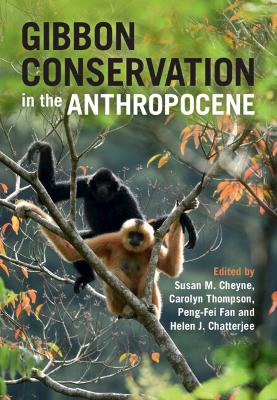
Hylobatids (gibbons and siamangs) are the smallest of the apes distinguished by their coordinated duets, territorial songs, arm-swinging locomotion, and small family group sizes. Although they are the most speciose of the apes boasting twenty species living in eleven countries, ninety-five percent are critically endangered or endangered according to the IUCN’s Red List of Threatened Species. Despite this, gibbons are often referred to as being ‘forgotten’ in the shadow of their great ape cousins because comparably they receive less research, funding and conservation attention. This is only the third book since the 1980s devoted to gibbons, and presents cutting-edge research covering a wide variety of topics including hylobatid ecology, conservation, phylogenetics and taxonomy. Written by gibbon researchers and practitioners from across the world, the book discusses conservation challenges in the Anthropocene and presents practice-based approaches and strategies to save these singing, swinging apes from extinction.
| Weight | 1 kg |
|---|---|
| Format | |
| Publisher |
Only logged in customers who have purchased this product may leave a review.

Hardback
£9.95
Paperback / softback
£14.95
Paperback / softback
£60.00
Paperback
£53.00
Hardback
£140.00
Hardback
£74.95
Reviews
There are no reviews yet.