

We ship worldwide - see checkout for options

Exceptional customer service trusted by 100's
£40.00
We ship worldwide - see checkout for options
Exceptional customer service trusted by 100's
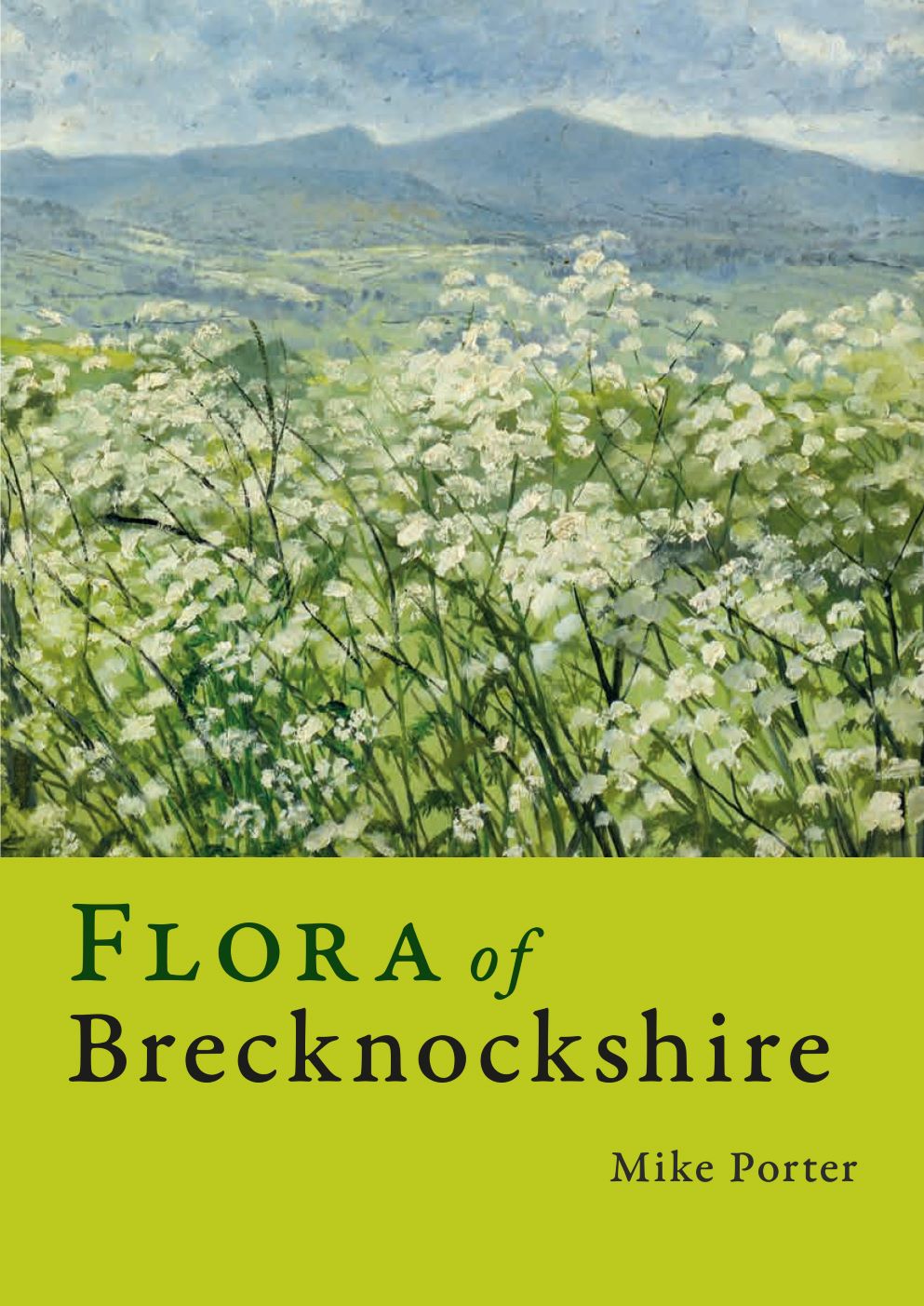
The first modern Flora of Brecknockshire, Watsonian vice county 42; covering the ceremonial county of Breconshire, now largely in the larger modern county Powys, plus extra land mainly to the south that was historically in the county.
Brecknockshire, or Brycheiniog, is notable for its diverse landscapes. Over half of the county is above 300m altitude and the highest peaks of the South Wales mountains are found in the county. In the south the limestone landscape has characteristic cliffs, gorges, sinkholes and pavements, whilst the northern parts of the county reach into the Cambrian Mountains including parts of the Elan Valley with its largely acidic base rock. Three of the principal rivers of Wales – the Wye, Usk and Towy – pass through or originate in the county. Wet meadows remain common along river tributaries, and Llangorse Lake – the largest natural lake in Wales – lies at the northern edge of the National Park, surrounded by hay meadows and marsh.
With the landscape supporting such a variety of habitats; including calcareous and old red sandstone cliffs, blanket bogs, wetland, grasslands and sessile oakwoods, there are numerous botanical hotspots to visit. In the mountainous areas several rare plant species are found, such as Stag’s-horn Clubmoss (Lycopodium clavatum). Some species are at their most southerly sites in the British Isles, such as Purple Saxifrage (Saxifraga oppositifolia) and Green Spleenwort (Asplenium viride), whilst others are at or near their highest known altitude, such as Mistletoe (Viscum album) and Marsh Fern (Thelypteris palustris). Rare and endemic species from genera such as Hieracium, Sorbus and Taraxacum can also be found in the county.
Mike Porter was BSBI Recorder since 1968 and started working on the project early in his tenure. This is his Flora of Brecknockshire as he intended it to be with some additional up to date input from the current recorder, John Crellin, who also edited the work. Mike was fully involved with the writing until after his 90th birthday in 2025 but sadly died in August that year. Tim Rich drafted the section on Hieracium species.
In addition to recording the Flora of the county over nearly 60 years, Mike also researched the historical records for the county from 1666, particularly covering the early interest in the county from late Victorian botanists, principally Augustin Ley, vicar of Sellack in Herefordshire.
The book is a full-colour hardback featuring 43 paintings by Meg Stevens, a local artist who worked with Mike, 11 plant illustrations by Lizzie Harper and three by Nina Krauzewicz.
There are over 1100 maps, 12 illustrating county features and topography. In addition, there are over 400 photographs.
…
Other titles that may be of interest: The Rare Plants of Herefordshire
| Weight | 2.6 kg |
|---|---|
| Format | |
| Author | |
| Editor | |
| Illustrators | |
| Publisher |
Only logged in customers who have purchased this product may leave a review.
Hardback
£17.50
Hardback
Original price was: £23.00.£17.95Current price is: £17.95.
Hardback
£0.00
Paperback
Original price was: £30.00.£29.50Current price is: £29.50.
Hardback
£24.00
Hardback
£29.95
Paperback
£0.00
Hardback
£65.00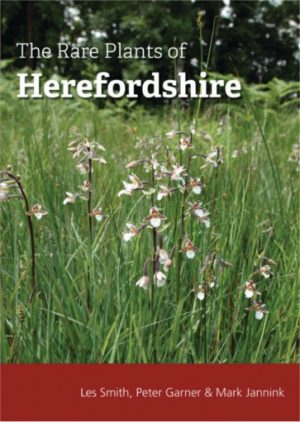
Reviews
There are no reviews yet.