


We ship worldwide - see checkout for options

Exceptional customer service trusted by 100's
£72.95
We ship worldwide - see checkout for options
Exceptional customer service trusted by 100's
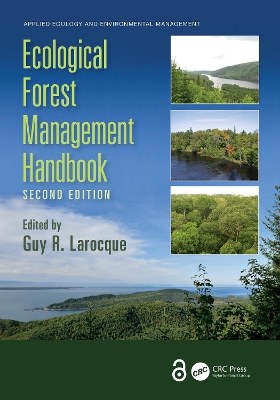
The second edition of Ecological Forest Management Handbook continues to provide forestry professionals and students with basic principles of ecological forest management and their applications at regional and site-specific levels. Thoroughly updated and revised, the handbook addresses numerous topics and explains that ecological forest management is a complex process that requires broad ecological knowledge. It discusses how to develop adaptive management scenarios to harvest resources in a sustainable way and provide ecosystem services and social functions. It includes new studies on ecological indicators, the carbon cycle, and ecosystem simulation models for various forest types: boreal, temperate, and tropical forests. NEW IN THE SECOND EDITION Provides a comprehensive collection of sustainable forest management principles and their applications Covers new ecological indicators that can be applied to address forest environmental issues Includes all types of models: empirical, gap, and process-based models Explains several basic ecological and management concepts in a clear, easy-to- understand manner This handbook is intended for researchers, academics, professionals, and undergraduate and graduate students studying and/or involved in the management of forest ecosystems. Chapters 16 and 18 of this book are available for free in PDF format as Open Access from the individual product page at www.taylorfrancis.com. They have been made available under a Creative Commons Attribution-Non Commercial-No Derivatives 4.0 license.
| Weight | 1.3473176 kg |
|---|---|
| Format | |
| Publisher |
Only logged in customers who have purchased this product may leave a review.

Hardback
£9.95
Paperback
£9.50
Paperback
£6.75
Paperback
Original price was: £16.99.£16.95Current price is: £16.95.In Stock

Hardback
£14.95
Hardback
Original price was: £150.00.£75.00Current price is: £75.00.


Reviews
There are no reviews yet.