


We ship worldwide - see checkout for options

Exceptional customer service trusted by 100's
£107.95
We ship worldwide - see checkout for options
Exceptional customer service trusted by 100's
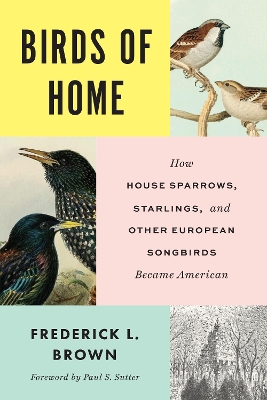
In the nineteenth century, European Americans set out to fill parks and fields in the United States and Canada with beloved songbirds from their home countries. Calling themselves acclimatizers, they hoped to recreate the sights and sounds of Europe while protecting urban shade trees and farms from insects. House sparrows and European starlings flourished in a landscape transformed by settlers’ city-building and agriculture. They soon spread across the continent, while dozens of other species perished. With a keen eye toward the stories humans tell and the ways birds defy human plans, Frederick L. Brown delights in detail as a bird lover and historian should. Bringing together accounts from across North America, he offers fascinating stories of bird introductions, unintended consequences, and ongoing debates. Farmers weighed damage to crops and livestock against insect control, while city dwellers alternately found comfort in birdsong and resented their pesky new neighbors. Bird enthusiasts struggled to reconcile protecting birds with hostility toward introduced species. Commercial and colonial mindsets, myths about Shakespeare, and metaphors of citizenship and invasion all shaped this history. Yet house sparrows and starlings, to the dismay of many, prospered on their own terms. Birds of Home reveals how familiar creatures helped transform our shared world—and what we might learn from our attempts to control them.
| Weight | 0.5 kg |
|---|---|
| Author | |
| Editor | |
| Photographer | |
| Format | |
| Illustrators | |
| Publisher |
Only logged in customers who have purchased this product may leave a review.

Paperback
Original price was: £25.00.£19.50Current price is: £19.50.In Stock

Hardback
Original price was: £30.00.£25.00Current price is: £25.00.

Hardback
£30.00
Paperback
Original price was: £19.95.£13.95Current price is: £13.95.In Stock


Reviews
There are no reviews yet.