


We ship worldwide - see checkout for options

Exceptional customer service trusted by 100's
£250.00
We ship worldwide - see checkout for options
Exceptional customer service trusted by 100's
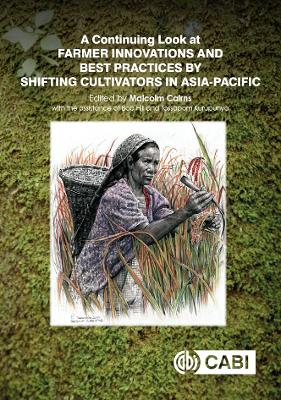
This book is the second in a three-volume set that exhaustively studies Farmer Innovations and Best Practices by Shifting Cultivators in Asia-Pacific. It shows how shifting cultivators, from the Himalayan foothills to the Pacific Islands, have devised ways to improve their farming systems. It provides detailed case studies, which illustrate the importance of swidden agriculture to food security and livelihoods, and its environmental significance, across multiple cultures, forest types and cropping systems. There is a particular focus on soil fertility and climate change challenges. It is a vital work for understanding the lives of shifting cultivators and the value of the indigenous and often ingenious innovations that shifting cultivators have developed over many generations of practice. Many of these innovations and best practices have strong potential for extension to shifting cultivators elsewhere and to farming systems more generally. This book will be suitable for students and researchers of agriculture, anthropology, sociology, agricultural economics, human ecology, ethnobotany, forestry, agroforestry, agronomy, soil science, farming systems, geography, environmental science and natural resource management.
| Weight | 2.8286432 kg |
|---|---|
| Author | |
| Editor | |
| Photographer | |
| Format | |
| Illustrators | |
| Publisher |
Only logged in customers who have purchased this product may leave a review.

Paperback / softback
Original price was: £20.00.£17.95Current price is: £17.95.In Stock


Paperback / softback
£5.96
Hardback
£16.95
Paperback / softback
£27.00
Hardback
£114.95
Hardback
Original price was: £181.95.£145.00Current price is: £145.00.In Stock

Hardback
Original price was: £20.00.£16.95Current price is: £16.95.In Stock
Reviews
There are no reviews yet.