


We ship worldwide - see checkout for options

Exceptional customer service trusted by 100's
£179.95
We ship worldwide - see checkout for options
Exceptional customer service trusted by 100's
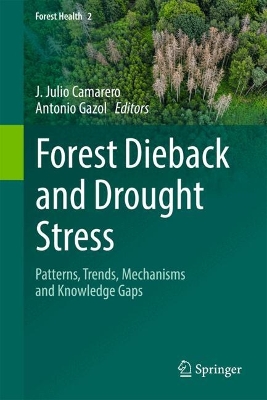
Drought and extreme heat are increasingly affecting forests worldwide, altering tree growth, triggering forest dieback, and challenging the capacity of forest ecosystems to recover. Forest Dieback and Drought Stress – Patterns, Trends, Mechanisms and Knowledge Gaps examines how forests respond to drought and heat, why some trees and populations are more vulnerable than others, and how climate change is influencing the occurrence and severity of forest dieback. It brings together research on the processes that lead from climatic stress to tree mortality and on the ecological consequences that follow dieback. The chapters address forest responses to drought across different spatial and temporal scales, using approaches including dendrochronology, remote sensing, forest inventories, ecophysiology, genetics, plant nutrition, and soil ecology. They examine physiological and environmental drivers of tree mortality, forest dynamics following dieback, resilience and forest management, and patterns of forest decline and dieback in the Mediterranean Basin, Europe, North America, South America, and Africa. The final chapters discuss remaining research gaps and bring together current evidence on drought-induced tree mortality and forest dieback. This book will be an essential resource for researchers and advanced students in forest ecology, forestry, plant ecology, ecophysiology, climate-change ecology, and environmental sciences. It will also be useful to forest managers, conservation practitioners, and other professionals working to understand and manage the effects of drought, warming, and climate extremes on forest ecosystems.
| Weight | 0.7321425 kg |
|---|---|
| Author | |
| Editor | |
| Photographer | |
| Format | |
| Illustrators | |
| Publisher |
Only logged in customers who have purchased this product may leave a review.

Paperback
£26.00
Paperback
Original price was: £16.99.£16.95Current price is: £16.95.In Stock
Hardback
£9.95
Hardback
£14.95

Hardback
£167.50

Hardback
Original price was: £18.99.£15.00Current price is: £15.00.
Reviews
There are no reviews yet.