


We ship worldwide - see checkout for options

Exceptional customer service trusted by 100's
£179.95
We ship worldwide - see checkout for options
Exceptional customer service trusted by 100's
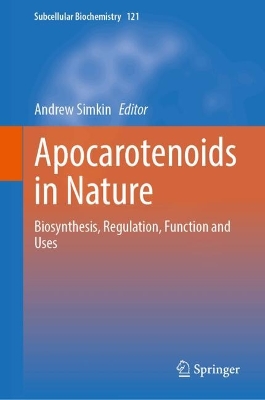
This volume explores the multifaceted world of apocarotenoids, tracing their historical discovery and exploring cutting-edge research on their microbial production and biosynthetic pathways. Readers will discover the complex role apocarotenoids play in regulating plant stress responses, developmental transitions, and ecological interactions, including their influence on plant-microbe and plant-insect dynamics. Apocarotenoids are a fascinating and diverse class of natural compounds derived from the oxidative breakdown of carotenoids, vibrant pigments found in plants, algae, fungi, and some bacteria. While carotenoids are known for their role in photosynthesis and photoprotection, apocarotenoids represent a more complex and biologically potent subset. These truncated molecules, typically containing fewer than 40 carbon atoms, are formed through enzymatic or non-enzymatic processes and play a critical role in plant development, signaling, and defense. Key chapters go into detail about the molecular mechanisms behind carotenoid cleavage enzymes, crocetin biosynthesis, and the signaling functions of strigolactones, apocarotenoids that mediate both beneficial symbiosis and parasitic invasions. The book also highlights the promising health benefits of compounds such as bixin from achiote (Bixa orellana), positioning apocarotenoids as emerging functional food ingredients with therapeutic potential. With a specific focus on the effectiveness of apocarotenoids in combating metabolic disorders, this work connects plant science with human health, offering information on their nutritional value and pharmacological potential. From their ecological relevance to their biomedical applications, Apocarotenoids: Bridging Plant Biology and Human Health is an essential resource for researchers, students, and professionals in plant biology, biochemistry, nutrition, and natural product chemistry.
| Weight | 0.5 kg |
|---|---|
| Author | |
| Editor | |
| Photographer | |
| Format | |
| Illustrators | |
| Publisher |
Only logged in customers who have purchased this product may leave a review.

Paperback
£0.00
Hardback
Original price was: £88.00.£76.95Current price is: £76.95.
Paperback
£65.00 

Reviews
There are no reviews yet.