


We ship worldwide - see checkout for options

Exceptional customer service trusted by 100's

£74.95
We ship worldwide - see checkout for options
Exceptional customer service trusted by 100's
Introduction to Ecosystem Services – Concepts, Valuation, and Management provides a rigorous yet accessible introduction to the fundamental ways in which natural systems support human survival and well-being. Despite growing environmental pressures, the benefits provided by nature remain systematically undervalued in economic and policy decisions. This textbook addresses that gap by introducing the ecosystem services framework as a tool for understanding, assessing, and improving how societies manage natural capital. Aimed at upper undergraduate students, the book moves from core concepts and valuation methods to detailed applications across real-world systems. It examines ecosystem services in urban environments (air filtration, heat mitigation, and green space valuation), agriculture (soil carbon, pest control, and pollination), and biodiversity (disease regulation, productivity, and resilience), alongside critical global processes such as carbon sequestration, water regulation, nutrient cycling, and soil dynamics. Drawing on case studies from regions such as Latin America, Asia, Africa, Europe, and North America, with particular depth in the Andes and Amazon, the text highlights both the analytical power and practical limitations of the ecosystem services framework in policy and decision-making contexts. The text is designed for learning and application. Each chapter includes clear learning objectives, key definitions, cross-references, review questions, and concise take-home messages, reinforcing both conceptual understanding and critical thinking. A final synthesis chapter brings these strands together, focusing on governance and the institutional challenges of translating knowledge into action. Ideal for advanced students in environmental science, ecology, geography, and sustainability, this book helps readers go beyond definitions to develop the critical thinking needed to understand and shape human–environment relationships.
| Weight | 0.5 kg |
|---|---|
| Author | |
| Editor | |
| Photographer | |
| Format | |
| Illustrators | |
| Publisher |
Only logged in customers who have purchased this product may leave a review.
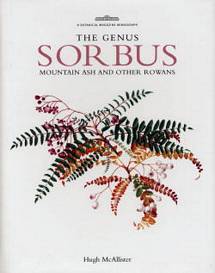
Hardback
Original price was: £55.00.£53.00Current price is: £53.00.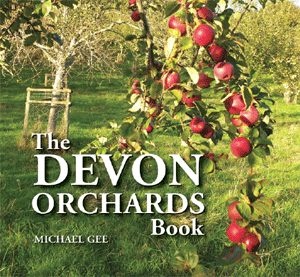
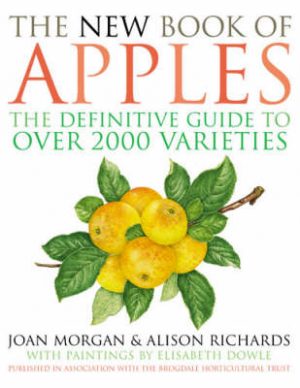

Paperback
£9.50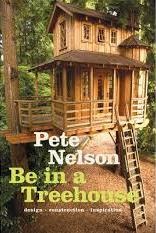
Hardback
Original price was: £18.00.£15.95Current price is: £15.95.
Hardback
£25.00
Reviews
There are no reviews yet.