


We ship worldwide - see checkout for options

Exceptional customer service trusted by 100's
£120.00
We ship worldwide - see checkout for options
Exceptional customer service trusted by 100's
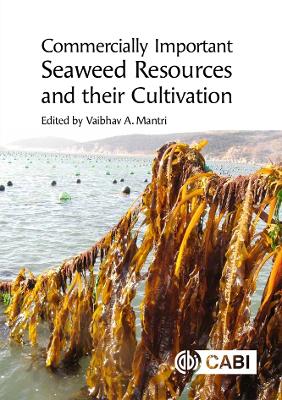
Seaweeds are marine macroscopic plant-like organisms that fall under three divisions based on their pigmentation: red (Rhodophyta), brown (Phaeophyta), and green (Chlorophyta) algae. Seaweeds have long been important providers of socioeconomic benefits and contributors to food security around the world through diverse food and non-food applications. Though traditionally used as food in Asian countries (China, Japan and the Republic of Korea), Western consumer interest in seaweeds has increased in recent years, driven by the demand for more healthy and sustainable diets. As per the latest data from Food and Agriculture Organization of the United Nations, their annual production reached ~ 35.8 million tonnes fresh weight and a market value of US$16.80 billion in 2022. This book brings together chapters from 66 globally renowned phycologists from 20 different countries on crucial aspects of the diversity, distribution, and commercial farming of economically important seaweeds. It includes: Global utilization of seaweed resources Forecasting of global production trends Seaweed aquaculture in South-east and East Asian countries Biology, diversity, distribution, and cultivation domains of selected seaweeds Propagation techniques employed for commercial seaweed farming Biosecurity challenges Economics of seaweed farming Environmental implications of seaweed cultivation It is an essential resource for researchers working in marine botany, seaweed/algae research, aquaculture, and marine science and industry practitioners in seaweed cultivation.
| Weight | 0.5791584 kg |
|---|---|
| Author | |
| Editor | |
| Photographer | |
| Format | |
| Illustrators | |
| Publisher |
Only logged in customers who have purchased this product may leave a review.

Hardback
Original price was: £79.00.£59.00Current price is: £59.00.
Hardback
£65.00
Paperback
£35.00
Hardback
£0.00
Hardback
Original price was: £125.00.£109.00Current price is: £109.00.
Paperback
£0.00
Paperback
£82.95
Hardback
£9.99

Reviews
There are no reviews yet.