


We ship worldwide - see checkout for options

Exceptional customer service trusted by 100's

£187.95
We ship worldwide - see checkout for options
Exceptional customer service trusted by 100's
Mounting perils posed by climate change, habitat degradation, pollution, and overexploitation jeopardize numerous species, including microbes.This book strives to shed light on the pressing necessity for sustainable biodiversity practices that safeguard our planet’s natural legacy. By delving into diverse strategies, scientific paradigms, and case studies, the authors reveal how holistic approaches to biodiversity can cultivate flourishing ecosystems wherein wildlife and human societies coexist harmoniously. This approach sets the book apart from others and presents the tools and knowledge needed to ensure the resilience and thriving of ecosystems for future generations. Key Features Provides a holistic view of how biodiversity impacts ecosystem functions and human well-being. “Diverse expertise of editors ensures a well-rounded perspective on sustainable biodiversity management. They present a variety of sustainable management principles, conservation strategies, and policy frameworks.” Emphasizes the often-overlooked microbial communities, known as microbial dark matter, and their linkage to larger organisms. It delves into the ecological significance of microbes, their interactions, and their crucial roles in nutrient cycling and soil vitality, highlighting their importance for ecosystem sustainability. Includes real-world case studies and examples of successful biodiversity practices, providing readers with practical tools and actionable insights for effective biodiversity management. Emphasizes the importance of understanding basic principles, fostering global collaboration, embracing technological innovations, and encouraging community involvement to ensure the resilience and sustainability of ecosystems for future generations.
| Weight | 1.1303 kg |
|---|---|
| Author | |
| Editor | |
| Photographer | |
| Format | |
| Illustrators | |
| Publisher |
Only logged in customers who have purchased this product may leave a review.

CD
£0.00
Paperback
£78.00


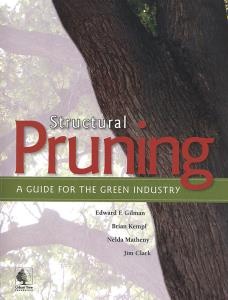
Paperback
£65.00 Paperback
£0.00
Reviews
There are no reviews yet.