


We ship worldwide - see checkout for options

Exceptional customer service trusted by 100's
£55.00
We ship worldwide - see checkout for options
Exceptional customer service trusted by 100's
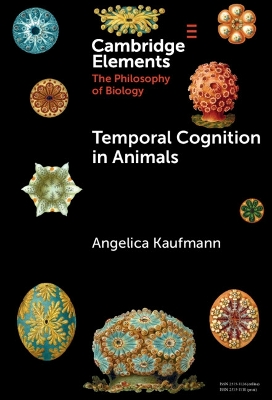
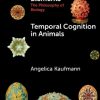
Humans and non-human animals alike rely on temporal cues to coordinate behaviour. This Element investigates whether non-human animals possess genuine temporal cognition– the capacity to mentally represent time rather than merely respond to temporal cues. It examines the evolution of cognitive architectures that support temporal coordination and considers the philosophical implications of time representation. Challenging the long-standing view that non-human animals operate in a ‘permanent present’ and lack the ability to mentally represent time, the Element offers a comparative analysis across apes, marine mammals, terrestrial mammals, birds, insects, and human infants. Drawing on current empirical evidence, it explores how different species represent time and coordinate action accordingly. By bringing together empirical research and philosophical analysis, the Element addresses a critical gap in the literature and advances the view that temporal cognition is widespread in nature.
| Weight | 0.5 kg |
|---|---|
| Author | |
| Editor | |
| Photographer | |
| Format | |
| Illustrators | |
| Publisher |
Only logged in customers who have purchased this product may leave a review.

Paperback / softback
£9.95
Hardback
£210.00
Paperback / softback
£60.00
Hardback
£45.00
Hardback
£145.95
Hardback
£16.95
Hardback
£108.00

Reviews
There are no reviews yet.