


We ship worldwide - see checkout for options

Exceptional customer service trusted by 100's
£52.00
We ship worldwide - see checkout for options
Exceptional customer service trusted by 100's
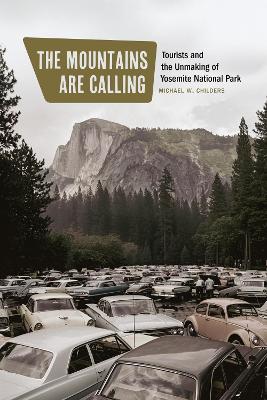
Yosemite National Park hosts more than four million visitors annually, a number that underscores both the national park’s immense popularity and its limits. Large numbers of visitors mean air pollution from car emissions, noise pollution that drowns out the sounds of nature, and destroyed habitat – especially near campgrounds and crowded hiking trails. From the first party of tourists in 1855 through the millions who visit today, Yosemite’s visitors have played a primary role in shaping the park’s history. Visitors drove Yosemite’s development and, ultimately, its popularity, but in doing so, they have turned out to be the greatest threat to the very experiences they seek. In seeking to understand how visitors’ perceptions and experiences have shaped their understanding of the purpose of national parks, and nature more broadly, The Mountains Are Calling places visitors at the center of Yosemite’s story. In histories of the national parks, environmental historians traditionally focus on either a conflict between preservation or exploitation, or a celebration of its founders, but such approaches often overlook the millions of visitors or depict them as backdrops in a larger morality play over the preservation of nature. Michael W. Childers instead addresses the lived experiences of visitors and their role in creating national parks, within the context of national park policy shifts and broader American cultural history. Foregrounding the stories of Indigenous people, tourists, innkeepers, soldiers, rangers, climbers, concessioners, and administrators, The Mountains Are Calling tells a more complete story of the park’s past to make sense of tourism’s environmental costs.
| Weight | 0.5186392 kg |
|---|---|
| Author | |
| Editor | |
| Photographer | |
| Format | |
| Illustrators | |
| Publisher |
Only logged in customers who have purchased this product may leave a review.
Hardback
Original price was: £52.95.£44.00Current price is: £44.00.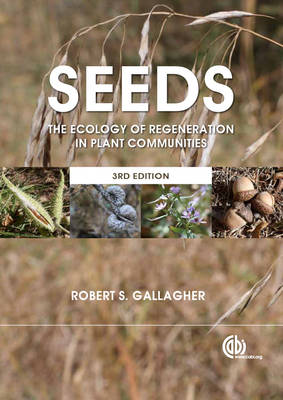
Hardback
Original price was: £120.90.£84.50Current price is: £84.50.
Hardback
£165.00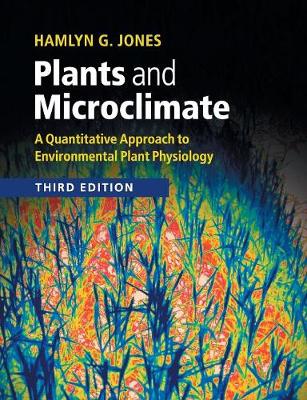
Paperback
£53.00In Stock

Paperback
Original price was: £88.00.£76.95Current price is: £76.95.
Paperback
Original price was: £78.00.£67.95Current price is: £67.95.

Reviews
There are no reviews yet.