


We ship worldwide - see checkout for options

Exceptional customer service trusted by 100's
£25.00
We ship worldwide - see checkout for options
Exceptional customer service trusted by 100's
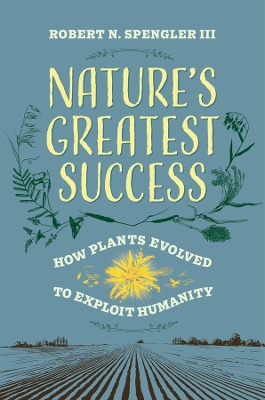
The 15,000-year story of how grass seduced humanity into being its unwitting labor force—and the science behind it. Domesticated crops were not human creations, and agriculture was not simply invented. As Robert N. Spengler shows, domestication was the result of an evolutionary process in which people played a role only unwittingly and as actors in a numberless cast that spanned the plant and animal kingdoms. Nature’s Greatest Success is the first book to bring together recent scientific discoveries and fascinating ongoing research to provide a systematic account of not only how agriculture really developed but why. Through fifteen chapters, this book dives deep into the complex processes that drove domestication and the various roles that plants and animals, including humans, played in bringing about those changes. At the intersection of popular history, archaeology, and evolutionary biology, Nature’s Greatest Success offers a revolutionary account of humanity not at the apex of nature but deeply embedded in the natural world and the evolutionary processes that continue to guide it even today.
| Weight | 0.9119696 kg |
|---|---|
| Author | |
| Editor | |
| Photographer | |
| Format | |
| Illustrators | |
| Publisher |
Only logged in customers who have purchased this product may leave a review.

Paperback
£17.00

CD
£0.00
Paperback
£6.75

Reviews
There are no reviews yet.