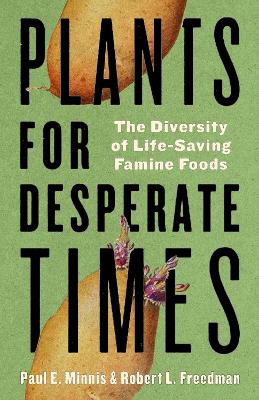

Plants for Desperate Times: The Diversity of Life-Saving Famine Foods

£26.95

Usually more than 2 weeks to dispatch

Plants for Desperate Times: The Diversity of Life-Saving Famine Foods Authors: , Format: Paperback / softback First Published: Published By: University of Arizona Press
string(3) "208"
Pages: 208 Illustrations and other contents: 111 b&w photos, 6 tables Language: English ISBN: 9780816553754 Categories: , , , , ,
Weight0.33264 kg
Author

,

Editor
Photographer
Format

Illustrators
Publisher

Reviews

There are no reviews yet.

Only logged in customers who have purchased this product may leave a review.

“This is a detailed dive into plant-based famine foods long utilized by cultures from around the world both historically and more recently. Every student of ethnobotany, economic botany, and environmental anthropology should have a copy of this book written by two highly regarded scholars in the field of ethnobotany.”—Enrique SalmÓn, author of Eating the Landscape:American Indian Stories of Food, Identity, and Resilience “This book is a truly unique reference guide to the often unusual and yet essential foods that humankind has relied on for survival in times of starvation.”—Kara Rogers, author of The Quiet Extinction:Stories of North America’s Rare and Threatened Plants “This guide to the diversity of human foodways in times of exigency is essential reading as we reckon with the potential food shortages incurred by global climate change, conflict, and inequality. Minnis and Freedman’s tour of little-known plant foods is a vital contribution to imagining future foodways.”—Courtney Fullilove, author of The Profit of the Earth:The Global Seeds of American Agriculture

Author Biography

Paul E. Minnis is a professor emeritus of anthropology at the University of Oklahoma now living in Tucson, Arizona, where he is a visiting scholar in the School of Anthropology at the University of Arizona. He is the author or editor of fifteen books, including Famine Foods: Plants We Eat to Survive, and numerous articles. Robert L. Freedman received a BA in Oriental studies and cultural anthropology from the University of Arizona. In 1996, Freedman created The Famine Foods Database, which is hosted by Purdue University’s New Crops website.