

We ship worldwide - see checkout for options

Exceptional customer service trusted by 100's
Original price was: £18.00.£15.95Current price is: £15.95.
We ship worldwide - see checkout for options
Exceptional customer service trusted by 100's
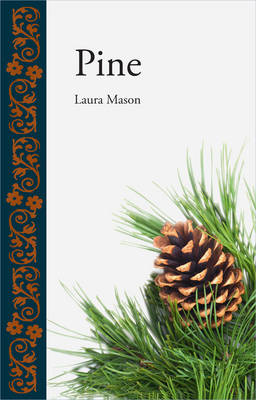
Resilient and tenacious, pine trees deserve our admiration. Despite their dark and gloomy reputation they have been the subjects of artists for centuries, particularly in China and Japan where they symbolize wisdom and longevity, and are admired for their shapes. Pine symbolism runs deep in many cultures from East to West, from antiquity to the present, such as pine cone staffs carried by the worshippers of Bacchus in the classical world or pine trees used in the movement to establish national parks in nineteenth-century North America.
The natural history of pine trees underlines their ability to survive in difficult environments, and their botany still puzzles and intrigues. Their resin provided adhesives, water-proofers and medicines before oil derivatives and modern pharmaceuticals were developed. Their wood is ubiquitous, incorporated into buildings, furniture and paper pulp. Pinecones fascinate with their complex shapes, and provide pine nuts and food for animals and humans. Pine trees have inspired artists, writers, film-makers and photographers throughout history, and as a consequence the sombre, brooding atmosphere of pine woods are found in poetry, movies, art and literature.
A beautifully illustrated book that reveals the many ways in which pine trees have inspired and been utilized by humanity through history, Pine provides a fascinating survey of these rugged, aromatic trees that are found the world over.
| Weight | 0.5 kg |
|---|---|
| Author | |
| Editor | |
| Photographer | |
| Format | |
| Illustrators | |
| Publisher |
Hardback
£149.95
Paperback
£50.95
Paperback
Original price was: £36.95.£26.50Current price is: £26.50.
Hardback
£22.95
Hardback
Original price was: £16.95.£16.50Current price is: £16.50.In Stock


Paperback
Original price was: £74.00.£32.50Current price is: £32.50.
Paperback
Original price was: £62.00.£54.50Current price is: £54.50.