


We ship worldwide - see checkout for options

Exceptional customer service trusted by 100's
£34.95
We ship worldwide - see checkout for options
Exceptional customer service trusted by 100's
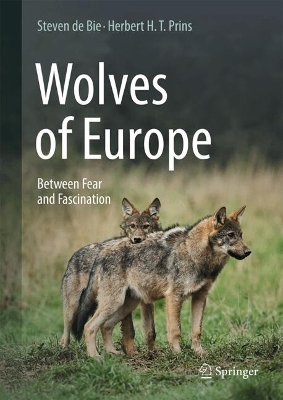
For centuries, wolves were hunted, feared, and driven out of most of Europe. By the end of the 19th century, they had vanished from large parts of the continent. Today, they are back. Across Europe, wolves are quietly reclaiming parts of their former range—expanding forests, changing rural landscapes, and legal protection have allowed populations to recover. Their return is one of the most striking wildlife success stories of our time. Yet it is also one of the most controversial. Encounters with wolves, real or imagined, raise questions about safety, livestock losses, and how people and large predators can share the same space. This book tells the story of Europe’s wolves in clear, accessible language, grounded firmly in science. It explains where wolves live, how many there are, and how they move through a landscape shaped by roads, farms, and villages. It looks closely at what wolves really eat, how packs function, how far young wolves disperse—and how rare attacks on humans actually are when set against history and statistics. Along the way, the book tackles the issues that dominate public debate: fear and folklore, livestock predation, hybrid wolves, disease, and the tools used to monitor and manage wolf populations, as well as the political and practical challenges of managing wolves in modern Europe. It also explores how wolves influence ecosystems and society, and why their presence can reshape landscapes far beyond the animals they hunt. Written for a broad readership, Wolves of Europe is for hikers and dog owners, farmers and policymakers, nature lovers and sceptics alike. To all of us, it offers facts instead of headlines, context instead of panic—and a realistic look at how humans and wolves might continue to share Europe in the years to come.
| Weight | 0.5 kg |
|---|---|
| Author | |
| Editor | |
| Photographer | |
| Format | |
| Illustrators | |
| Publisher |
Only logged in customers who have purchased this product may leave a review.

Paperback
£13.95
Paperback
£55.00In Stock

Paperback / softback
£26.00 Paperback
£8.95
Paperback / softback
£47.00
Hardback
£12.95
Paperback / softback
£30.00
Paperback
£24.95

Reviews
There are no reviews yet.