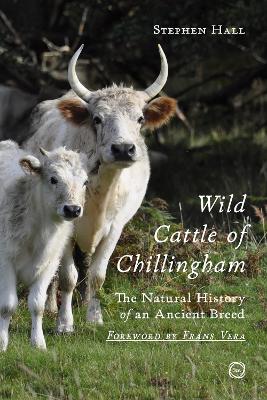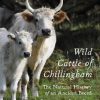

Wild Cattle of Chillingham: The Natural History of an Ancient Breed

£29.90

Available for Pre-order. Due February 2026.

Wild Cattle of Chillingham: The Natural History of an Ancient Breed Author: Format: Paperback / softback First Published: Published By: 5M Books Ltd
string(3) "304"
Pages: 304 Language: English ISBN: 9781789183832 Categories: , , ,

This book meets a need for a definitive monograph of one of the most significant icons of British natural history, and adopts a novel approach by placing original research in an up-to-date multidisciplinary context. As they are the only accessible cattle worldwide that live under conditions of minimal human interference, the Chillingham herd is uniquely placed to provide insights into many aspects of the life of cattle as a species rather than as a component of livestock systems. The biology of the herd and of its habitat is considered from the viewpoints of plant and animal ecology, animal behaviour, genetics and reproductive physiology, and the insights for archaeology, human geography, and cultural studies are demonstrated. The text is accessible to advanced undergraduate students and specialist research workers in all of these disciplines. Practitioners and policy makers in rural affairs, especially in such matters as rewilding, maintenance of traditional and high-nature-value landscapes, and conservation of animal genetic resources will also benefit. Attitudes towards cattle generally are in a state of flux owing to the necessity for mitigation of global climate warming, and a better understanding of the Chillingham herd in their ancient landscape will contribute to equitable and sustainable policies in relation to global cattle husbandry.

Weight0.5621616 kg
Author

Editor
Photographer
Format

Illustrators
Publisher

Reviews

There are no reviews yet.

Only logged in customers who have purchased this product may leave a review.
This is a richly researched account of the behaviour, ecology, genetics and history of the famous wild cattle, and of the park in northern England in which they have lived with minimal interference for many centuries. It is packed with new and important information. These beautiful animals – seemingly placid and approachable yet which cannot be handled – are our sole window onto the aurochs, the ancestor of all domestic cattle that died out 300 years ago. Chillingham cattle consequently represent the biological gold standard against which all modern cattle may be compared and hence better understood. This authoritative, stimulating and beautifully illustrated book will appeal to zoologists, veterinarians, conservationists, landscape historians and the general reader in natural history. -- Nicholas Tyler PhD, UiT The Arctic University of Norway Wild Cattle of Chillingham: The Natural History of an Ancient Breed is a key work for anyone passionate about native livestock conservation and the preservation of traditional landscapes. The Chillingham herd – Britain’s last truly wild cattle – provides a rare glimpse into what cattle might be without the layers of human domestication. Living with minimal intervention in their ancient Northumbrian park, they embody a deep genetic and cultural legacy. This book fills a long-standing gap, offering an authoritative yet accessible study that weaves together ecology, genetics, behaviour, and habitat to illuminate their significance. Importantly, it also explores how these animals inform broader debates around rewilding, native breed conservation, and sustainable land use. The book is a timely and vital contribution for conservationists, policy makers, and anyone committed to the future of high nature value farming. As climate pressures force a rethink of how we manage livestock and landscapes, understanding the Chillingham cattle is more than academic – it’s essential for shaping resilient, nature-rich rural futures rooted in our native heritage. -- Christopher Price, Chief Executive Officer, Rare Breeds Survival Trust A great book about an iconic herd! The Chillingham cattle have survived for at least 230 years of isolation and have now changed our insight into the effects of inbreeding. Stephen Hall gives a detailed description of these cattle in the context of an expert overview of domestication and breed conservation. -- Dr J.A. Lenstra, Faculty of Veterinary Medicine, Utrecht University, Netherlands

Author Biography

Stephen Hall is Emeritus Professor of Animal Science at the University of Lincoln and a Trustee of the Chillingham Wild Cattle Association.