


We ship worldwide - see checkout for options

Exceptional customer service trusted by 100's
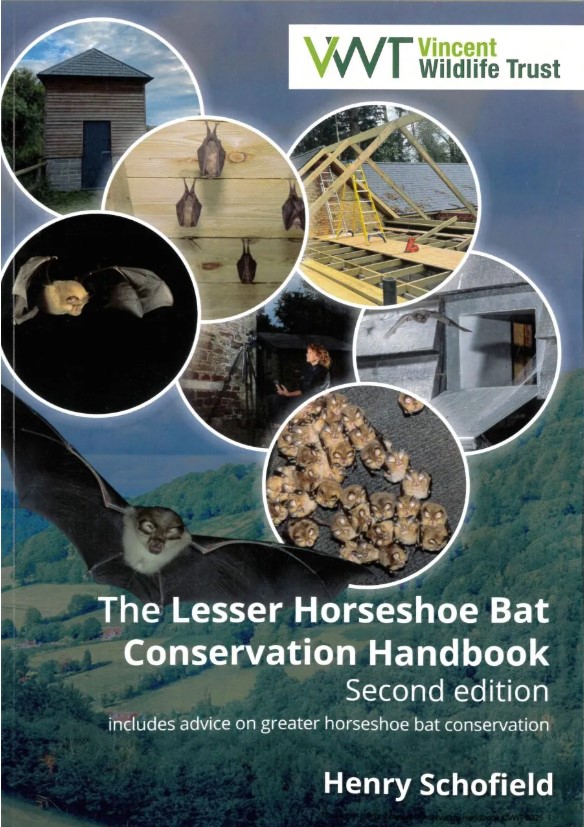
£25.00
We ship worldwide - see checkout for options
Exceptional customer service trusted by 100's
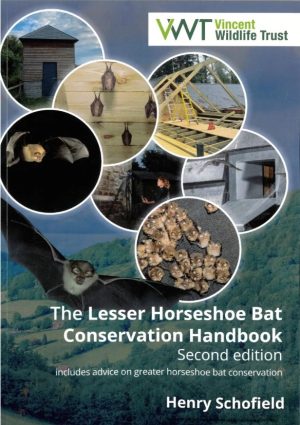
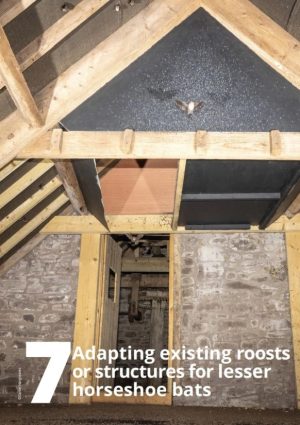
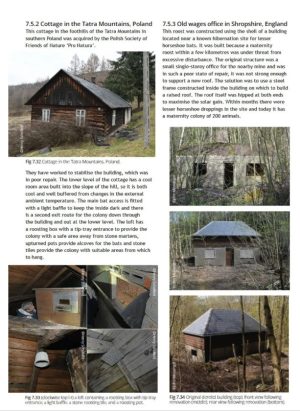
The first edition of The Lesser Horseshoe Bat Conservation Handbook was published in 2008 and has been widely used by ecological consultants and planning authorities in Britain and Ireland, as well as further afield in mainland Europe. The work of Vincent Wildlife Trust (VWT) on this species has continued and developed following the original publication, complemented by workshops and training courses delivered by the Trust to a wide range of stakeholders. The Trust has hosted teams working on horseshoe bat conservation projects from across Europe and has, in turn, visited these projects. This exchange of ideas, along with the extensive feedback received over the years, has led to the production of this second edition of the handbook.
Although some of the conservation interventions in this new edition will be familiar to readers of the original handbook, ideas have developed and moved on, and new approaches to enhancing roosts have been included. The Trust has also strengthened the landscape-scale perspectives in addressing various conservation issues. Feedback on a few of the ideas suggested in the first edition has led to their withdrawal – such as the cool tower, which did not prove as effective as was hoped – and more sustainable alternatives have been suggested. Issues that were slightly off our radar in 2008, such as the threats around artificial lighting at night and the increasing effects of our changing climate, have been addressed. With so much sharing of ideas and discussions with colleagues on the Continent, this edition has a much more pan-European scope than its earlier counterpart.
VWT is very much an evidence-led organisation, which is reflected in its approach to trying to solve conservation issues for lesser horseshoe bats. The first part of this handbook lays out the ecology of the species in detail, as the Trust believes having a sound ecological knowledge base is essential to the delivery of effective conservation. Although the ideas presented here are based on real-life examples, no two situations are the same. It is hoped that, taking the knowledge of the species’ ecology and the concepts here presented, practitioners will adapt the ideas for their unique circumstances.
While this handbook focuses on the lesser horseshoe bat, it also contains information on managing roosts for greater horseshoe bats. The two species have very similar roosting requirements, and if practitioners are seeking to enhance roosts for greater horseshoe bats, there is much that is interchangeable. Throughout this new handbook, guidance is provided on the modifications for lesser horseshoe bats that can be used in greater horseshoe bat roosts and on where adjustments for the larger species are necessary.
1. Introduction to the lesser horseshoe bat 7
2. Reproduction and energetics in lesser horseshoe bats 15
3. Roosting ecology of lesser horseshoe bats 19
4. Foraging and landscape use by lesser horseshoe bats 32
5. Anthropogenic threats to lesser horseshoe bats and their legal protection 37
6. Surveying and monitoring lesser horseshoe bats 41
7. Adapting existing roosts or structures for lesser horseshoe bats 57
8. Purpose-built roosts for lesser horseshoe bats 82
9. Landscape-scale conservation of lesser horseshoe bats 92
Next steps 97
References 98
Glossary 101
Useful links 103
| Weight | 0.75 kg |
|---|---|
| Format | |
| Publisher |
Only logged in customers who have purchased this product may leave a review.
Hardback
Original price was: £45.00.£29.95Current price is: £29.95.
Hardback
Original price was: £16.95.£13.00Current price is: £13.00.
Hardback
Original price was: £30.00.£20.95Current price is: £20.95.In Stock
Hardback

Hardback
£30.00
Paperback
Original price was: £19.95.£13.95Current price is: £13.95.
Paperback
Original price was: £24.95.£17.95Current price is: £17.95.
Hardback
Original price was: £30.00.£25.00Current price is: £25.00.
Reviews
There are no reviews yet.