


We ship worldwide - see checkout for options

Exceptional customer service trusted by 100's
£125.00
We ship worldwide - see checkout for options
Exceptional customer service trusted by 100's
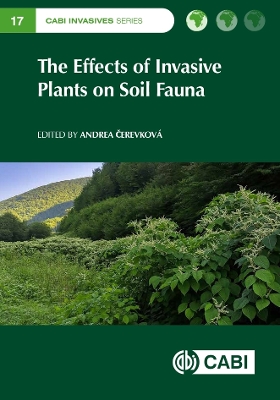
This book offers a comprehensive examination of the mechanisms through which invasive plant species alter soil fauna biodiversity, nutrient cycling and overall ecosystem balance. It presents detailed case studies of key invasive plants (Asclepias syriaca, Fallopia japonica, Heracleum mantegazzianum, H. sosnowskyi, Impatiens parviflora, etc.) complemented by broader discussions on soil fauna diversity and ecosystem functioning. It considers how these plant species modify the physico-chemical properties of soil, often creating inhospitable environments for native soil fauna. It highlights the responses of various soil organisms, including nematodes, collembola, earthworms, arthropods and others, and microorganisms to plant invasion. Special attention is given to feedback mechanisms whereby changes in soil fauna communities further influence plant invasions, either exacerbating or mitigating their impacts. The implications of these interactions for soil health and agricultural productivity is considered, providing practical recommendations for the management of invasive species and the restoration of degraded ecosystems. Key features: Provides comprehensive analysis and case studies on invasive species and soil ecosystems, offering valuable insights for future research. Offers a detailed exploration of invasive plant effects on soil chemistry and microbiota, relevant for those studying soil health. Includes practical recommendations for managing invasive species in agricultural contexts, aiding in soil fertility and crop production. Supports efforts to restore native soil fauna and plant communities, contributing to biodiversity preservation. Serves as a resource for coursework and research projects, providing a thorough grounding in soil fauna and invasive plants. This book is ideal for researchers, practitioners and students in the fields of ecology, environmental science, and soil biology.
| Weight | 0.4784352 kg |
|---|---|
| Author | |
| Editor | |
| Photographer | |
| Format | |
| Illustrators | |
| Publisher |
Only logged in customers who have purchased this product may leave a review.
Hardback
Original price was: £258.00.£235.00Current price is: £235.00.
Paperback
Original price was: £100.00.£75.00Current price is: £75.00.
Hardback
Original price was: £245.00.£225.00Current price is: £225.00.
Hardback
£18.00
Paperback
Original price was: £30.00.£29.50Current price is: £29.50.
Hardback
Original price was: £245.00.£225.00Current price is: £225.00.
Paperback
Original price was: £25.00.£20.00Current price is: £20.00.In Stock

Reviews
There are no reviews yet.