


We ship worldwide - see checkout for options

Exceptional customer service trusted by 100's
£139.95
We ship worldwide - see checkout for options
Exceptional customer service trusted by 100's
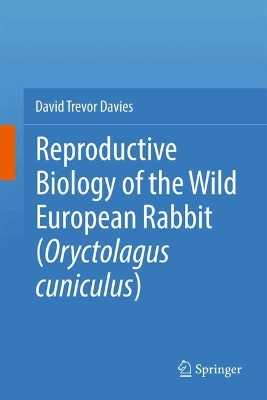
In this comprehensive monograph, the eco-biology of the wild rabbit (Oryctolagus cuniculus) is explored with clarity and depth. Central to the study is the complex phenomenon of photoperiodism—the physiological response to changing day length—and its role as the primary driver of seasonal breeding. However, as this research reveals, the biological clock does not operate in isolation. To contextualise the study, the book also includes a thorough literature review of past research on rabbit breeding across various global regions. Drawing on unique, long-term comparative data between free-living and confined, enclosure populations, the book explores how nutrition and body condition act as critical modifiers of the reproductive window. From the fluctuations of kidney fat reserves during the energetic demands of lactation to the gonadal development of pups from birth to puberty, every stage of the life cycle is documented. Key features include: Physiological Insights: Detailed analysis of seasonal breeding, testicular growth, prostate activity, and plasma FSH levels that define the “physiological cascade” triggered by light. Nutritional Modulation: Insight into how supplementary nutrition can dramatically extend the breeding season, even under natural day length. Global Context: A comparative look at how climatic differences in Australia, New Zealand, and Northern Europe influence pasture availability and breeding timelines. Developmental Biology: Longitudinal data on litter size, juvenile growth, gonadal development, and the hormonal journey toward puberty. While the foundation of this research is classic, its implications are strikingly modern. In an era of climate change and habitat degradation, understanding the mechanisms that balance environmental cues with physiological responses is vital. This makes the volume monograph a valuable resource for ecologists, conservationists, and researchers specializing in seasonal breeding and reproductive endocrinology.
| Weight | 0.5 kg |
|---|---|
| Author | |
| Editor | |
| Photographer | |
| Format | |
| Illustrators | |
| Publisher |
Only logged in customers who have purchased this product may leave a review.
Paperback
Original price was: £16.95.£13.95Current price is: £13.95.
Paperback / softback
£26.00
Paperback
£13.95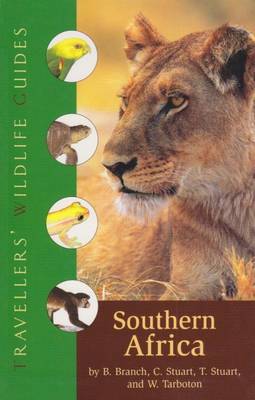
Paperback
£19.95
Paperback / softback
£26.00
Paperback
£5.95
Hardback
£13.95
Paperback / softback
£29.00
Reviews
There are no reviews yet.