


We ship worldwide - see checkout for options

Exceptional customer service trusted by 100's
£179.95
We ship worldwide - see checkout for options
Exceptional customer service trusted by 100's
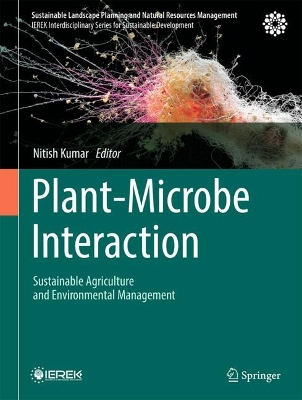
This book offers a thorough understanding of the useful, functional, and intentional applications of plant–microbe interactions. The majority of interactions between microbes and plants are mutualistic, and they help to improve the condition of the soil and the surrounding environment. The use of this in sustainable environmental management is one important feature. Through a process known as phytoremediation, plants are known to be involved in the repair of polluted environments. This process is typically more effective when carried out in conjunction with microorganisms that live in the plant environment. These microbes and plants have qualities that make them excellent choices for environmentally damaged areas that need to be sustainably remedied. Bioremediation and phytoremediation have been used to remove various organic and inorganic contaminants from the environment. Certain characteristics of the microbes associated with plants have a selective effect on plant growth, and as a result, the plants carry out the detoxification process through various mechanisms. These drawbacks include the fact that contaminant-induced stress typically results in low/slow rates of seed germination, plant development, and declines in plant biomass. The book provides examples of how plant–microbe interactions might be used in an environmentally sustainable way to degrade contaminants and restore strained soils. It also determines the causes of the microbial-based inoculants’ unsatisfactory effectiveness. It has been discussed how biotechnological methods can be used to build next-generation bioformulations that can overcome previous obstacles and meet new problems. If correctly utilized, this amazing relationship between microbes and plants will not only improve crop yields and help restore desolate places, but it will also improve the quality of life for everyone on Earth. This book is intended to be a practical book for researchers and students working in the fields of agriculture, microbiology, plant science, and environmental science.
| Weight | 0.6181245 kg |
|---|---|
| Author | |
| Editor | |
| Photographer | |
| Format | |
| Illustrators | |
| Publisher |
Only logged in customers who have purchased this product may leave a review.
Paperback / softback
£31.95
Paperback / softback
£17.95
Paperback / softback
£52.00
Paperback / softback
Original price was: £20.00.£17.95Current price is: £17.95.In Stock
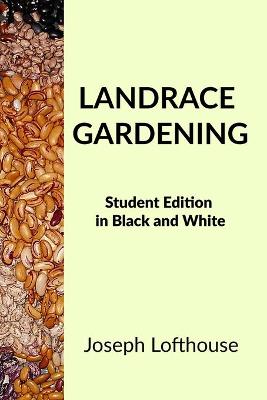
Paperback / softback
£5.96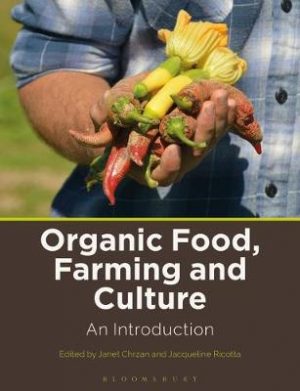
Paperback / softback
£29.95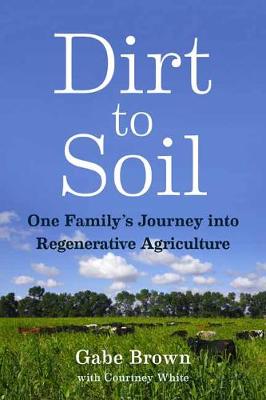
Paperback / softback
£15.95

Reviews
There are no reviews yet.