


We ship worldwide - see checkout for options

Exceptional customer service trusted by 100's

£42.00
We ship worldwide - see checkout for options
Exceptional customer service trusted by 100's
Native Trees of the Midwest gives detailed descriptions and unique insights into identifying all the trees native to Indiana and most of those in the surrounding states. Descriptive text gives invaluable hints on how to identify species in any season and is supported with color photographs of all important characteristics. It encapsulates the authors’ combined experience of more than 50 years in teaching students how to identify woody plants. Not only does it allow the user to identify plants and learn of their ecological and distributional attributes, but also presents an evaluation of each species relative to its potential ornamental value for those interested in landscaping with native trees. Since tree species have diverse values to wildlife, an evaluation of wildlife uses is presented with a degree of detail available nowhere else.
| Weight | 0.6886464 kg |
|---|---|
| Author | |
| Editor | |
| Photographer | |
| Format | |
| Illustrators | |
| Publisher |
Only logged in customers who have purchased this product may leave a review.

Hardback
Original price was: £150.00.£75.00Current price is: £75.00.

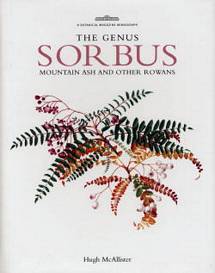
Hardback
Original price was: £55.00.£53.00Current price is: £53.00.
Hardback
£25.00
Hardback
Original price was: £18.99.£15.00Current price is: £15.00.
Hardback
Original price was: £64.00.£49.00Current price is: £49.00.

Reviews
There are no reviews yet.