


We ship worldwide - see checkout for options

Exceptional customer service trusted by 100's
£179.95
We ship worldwide - see checkout for options
Exceptional customer service trusted by 100's
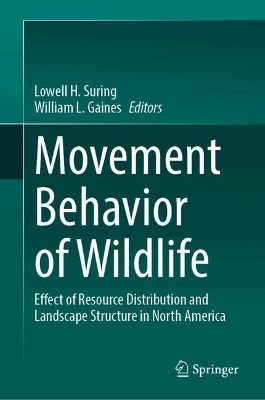
This book describes a large and complex research and conservation project which addressed the movement behavior of a variety of wildlife species, each with varying movement patterns, resource needs, and empirical knowledge of their ecologies. This work used a comprehensive approach to identify focal species and describe habitat quality of six iconic North American wildlife species (brown bear, black bear, wolverine, Canada lynx, moose, Dall sheep) using resource selection functions previously published, developing resource selection function from original field data, and developing Bayesian Networks using scientific literature and expert opinion. The results of these analyses were then used to describe movement patterns of each species. Specifically, the authors: · Used a rigorous species selection process to identify focal species that represented a broad-array of biological diversity, · Used field-based data and published results to describe habitat quality of the six iconic species they selected, · Linked least-cost path analyses with circuit-theory analyses to generate movement patterns of wildlife from the habitat-quality information, and · Incorporated information describing these movement patterns and corridors into a case study of the reconstruction of the Sterling Highway on the Kenai Peninsula, Alaska, USA, and further integrated wildlife movement into construction planning and design to plan and implement mitigation practices for the focal species. This book provides a unique and much needed resource to wildlife and land management practitioners by bringing together, in one volume, an analysis of habitat quality of these high-interest species combined with an analysis of movement and corridors using innovative and cutting-edge approaches. The resulting information provides land managers with the information necessary to fully integrate conservation of wildlife into land management activities (e.g., timber harvest, mining, development of infrastructure). A real-world application of the process is demonstrated in a case study that incorporates research findings into the reconstruction of the Sterling Highway across the Kenai Peninsula in Alaska. The material presented in this book is particularly relevant and timely due to the increasing international attention on wildlife movement behavior and corridor management.
| Weight | 0.50995 kg |
|---|---|
| Author | |
| Editor | |
| Photographer | |
| Format | |
| Illustrators | |
| Publisher |
Only logged in customers who have purchased this product may leave a review.
Paperback / softback
£26.00
Paperback
Original price was: £16.95.£12.71Current price is: £12.71.In Stock
Paperback
Original price was: £16.95.£13.95Current price is: £13.95.In Stock

Paperback / softback
£46.00
Paperback / softback
£34.00
Paperback / softback
£26.00
Hardback
£27.95
Hardback
£0.00

Reviews
There are no reviews yet.