


We ship worldwide - see checkout for options

Exceptional customer service trusted by 100's
£105.00
We ship worldwide - see checkout for options
Exceptional customer service trusted by 100's
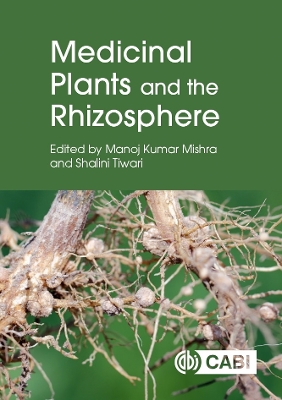
Plants cultivate distinct microbial communities in specific parts of their structure, forming microbial habitats that typically originate in the soil and can extend into above-ground internal plant tissues. Consequently, the plant microbiome’s composition varies across different compartments, including the rhizosphere (the soil surrounding the roots), the endosphere (the interior of both above- and below-ground plant organs), and the phyllosphere (the above-ground part of the plant). Medicinal plants generally show a higher diversity and abundance of certain types of microbes in the rhizosphere compared to non-medicinal plants, because they produce bioactive compounds as a defence mechanism against pathogens or herbivores. These compounds can also influence the composition and activity of microbial communities in the soil. While the fundamental principles of rhizosphere interactions apply to both medicinal and non-medicinal plants, the specific microbial communities and their functions can vary, reflecting the distinct ecological and evolutionary contexts of medicinal plants and their interactions with microbes. This book focuses on plant- microbe interactions, particularly within the rhizosphere of medicinal plants. It explores the unique microbial communities that form in various plant compartments and their impact on plant health, growth, and the synthesis of bioactive compounds. Medicinal Plants and the Rhizosphere is suitable for researchers in medicinal plants, plant biology, plant biotechnology and microbiology.
| Weight | 0.545584 kg |
|---|---|
| Author | |
| Editor | |
| Photographer | |
| Format | |
| Illustrators | |
| Publisher |
Only logged in customers who have purchased this product may leave a review.

Paperback
£0.00
Hardback
Original price was: £25.00.£17.95Current price is: £17.95.
Hardback
£65.00
Paperback
£74.00
Paperback
Original price was: £54.95.£49.95Current price is: £49.95.In Stock
Paperback
Original price was: £64.95.£52.50Current price is: £52.50.
Paperback
Original price was: £20.95.£15.95Current price is: £15.95.
Paperback
£35.00

Reviews
There are no reviews yet.