


We ship worldwide - see checkout for options

Exceptional customer service trusted by 100's
£72.00
We ship worldwide - see checkout for options
Exceptional customer service trusted by 100's
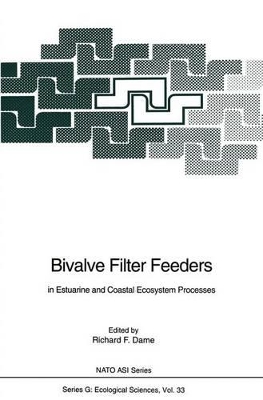
Bivalve filter-feeding mollusks are important components of coastal ecosystems because they remove large quantities of suspended material from the water and excrete abundant amounts of reactive nutrients. These animals are also major prey for numerous predators including birds, fish, mammals, and invertebrates; furthermore, they are significant food resources for humans. While studies on the population level have dominated bivalve ecology, the recent focus on the ecosystem roles of filter feeding systems has led to large-scale investigations. This approach, which is outlined in the text, focuses on the specific topics of physiology, grazing, predation, nutrient cycling, physical environment, computer simulation modelling, and environmental management.
| Weight | 1.015 kg |
|---|---|
| Author | |
| Editor | |
| Photographer | |
| Format | |
| Illustrators | |
| Publisher |
Only logged in customers who have purchased this product may leave a review.

Paperback
Original price was: £71.00.£64.95Current price is: £64.95.In Stock

Hardback
£12.95In Stock

Paperback
Original price was: £19.95.£13.95Current price is: £13.95.In Stock

Paperback
Original price was: £12.95.£12.50Current price is: £12.50.
Hardback
Original price was: £35.00.£29.95Current price is: £29.95.
Hardback
Original price was: £20.00.£18.95Current price is: £18.95.
Hardback
£16.50
Paperback

Reviews
There are no reviews yet.