


We ship worldwide - see checkout for options

Exceptional customer service trusted by 100's
£179.95
We ship worldwide - see checkout for options
Exceptional customer service trusted by 100's
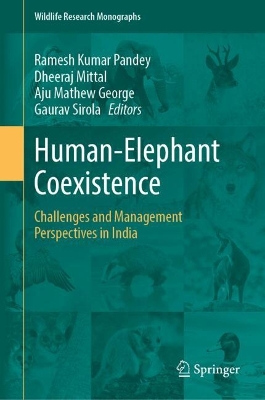
India is home to more than 60% of the world’s wild Asian elephant population, making the conservation of this endangered species both a national and global responsibility. However, rapid habitat fragmentation, expanding agriculture, infrastructure development, and changing land-use patterns have intensified human–elephant interactions, creating significant challenges for both wildlife conservation and rural communities. This book provides a comprehensive examination of the ecological, social, policy, and management dimensions of human–elephant coexistence in India. It explores elephant ecology and distribution, conservation frameworks, drivers of human–elephant conflict, compensation mechanisms, technological innovations, and region-specific mitigation strategies. Drawing on contributions from leading scientists, forest managers, conservation practitioners, and policymakers, the volume presents practical approaches to promoting coexistence through corridor conservation, community engagement, habitat management, and integrated landscape planning. Comparative insights from Sri Lanka further enrich the discussion. Bridging science, policy, and practice, this book is an invaluable resource for researchers, conservation professionals, environmental managers, policymakers, and students interested in wildlife conservation and human–wildlife interactions.
| Weight | 0.604655 kg |
|---|---|
| Author | |
| Editor | |
| Photographer | |
| Format | |
| Illustrators | |
| Publisher |
Only logged in customers who have purchased this product may leave a review.

Hardback
£35.00
Paperback
£16.50 Paperback
£5.95
Paperback
Original price was: £18.95.£12.71Current price is: £12.71.In Stock
Paperback / softback
£26.00
Paperback
£9.95
Paperback / softback
£46.00
Hardback
Original price was: £20.00.£18.95Current price is: £18.95.
Reviews
There are no reviews yet.