


We ship worldwide - see checkout for options

Exceptional customer service trusted by 100's
£45.00
We ship worldwide - see checkout for options
Exceptional customer service trusted by 100's
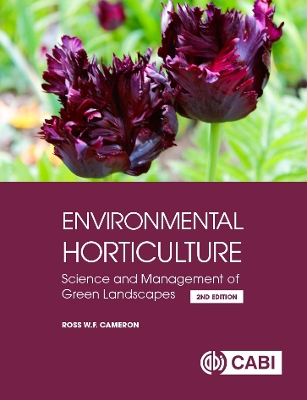
Environmental horticulture – also referred to as landscape horticulture and amenity horticulture – is the umbrella term for the horticulture that we encounter in our daily lives. With a huge increase in interest in the value of urban green space due to the COVID-19 pandemic, this updated edition is ideally placed to advocate just why green space is so important to us. This includes parks, public gardens, allotments, green roofs, sports facilities, cemeteries and shopping centres or in fact any public space which has grass, flower/foliar plantings and trees. A complete and comprehensive guide, this new edition of Environmental Horticulture: – Explores the role, value and application of horticulture in different landscapes. – Includes new content on how an urban plant functions, the therapeutic aspects of green spaces, people and urban wildlife, and specialist green spaces. – Reviews the importance and impact of horticulture on the wider environment. – Covers practical management advice for woody plants, herbaceous perennials and bulbs, meadows and semi-natural grasslands, lawn and sports turf, and interior landscapes. A vital resource for undergraduate and postgraduate students, this book is also a valuable addition to academic departments with an interest in green space management and wider environmental issues.
| Weight | 0.976374 kg |
|---|---|
| Author | |
| Format | |
| Publisher |
Only logged in customers who have purchased this product may leave a review.


Hardback
Original price was: £245.00.£225.00Current price is: £225.00.
Hardback
£18.00
Hardback
£17.95
Hardback
£0.00
Hardback
Original price was: £245.00.£225.00Current price is: £225.00.

Reviews
There are no reviews yet.