


We ship worldwide - see checkout for options

Exceptional customer service trusted by 100's

£139.95
We ship worldwide - see checkout for options
Exceptional customer service trusted by 100's
This volume presents biogeochemical research linked to climate change, soil and water acidification, and ecosystem eutrophication, highlighting the impact of human activities on biogeochemical cycles in coastal ecosystems. As human activities increasingly reshape these cycles, many scientists now refer to ‘anthropo-biogeochemical cycles’ to underscore this influence. Transitional Water Systems (TWS), such as estuaries and lagoons that connect marine and freshwater environments, are especially sensitive to these impacts. Unplanned coastal development disrupts natural processes leading to erosion, habitat loss and ecological degradation. Such development also alters river flows, impacting sediment transport and the migration patterns of aquatic species. Additionally, land-use changes from agriculture, mining, and urbanization contribute to soil erosion and sediment accumulation, affecting both downstream and coastal regions. The book covers these activities and their impacts, and provides recommendations for how effective and sustainable coastal ecosystem management can be achieved through policy recommendations and conservation strategies using integrative modeling and predictive approaches. The primary audience for this book includes academics specializing in climate and environmental studies. Research professionals will also benefit from this comprehensive volume, which consolidates findings on various aspects of marine biogeochemical cycles and the impacts of anthropogenic activities.
| Weight | 0.5 kg |
|---|---|
| Author | |
| Editor | |
| Photographer | |
| Format | |
| Illustrators | |
| Publisher |
Only logged in customers who have purchased this product may leave a review.

Hardback
Original price was: £147.00.£119.00Current price is: £119.00.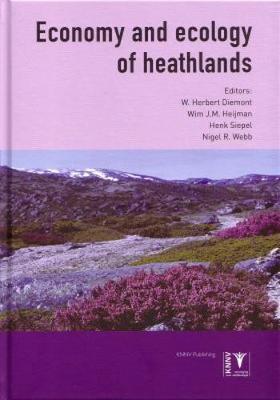
Hardback
Original price was: £52.95.£44.00Current price is: £44.00.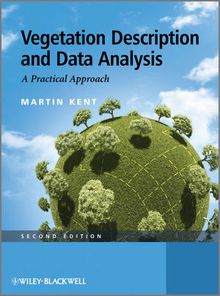
Hardback
£105.00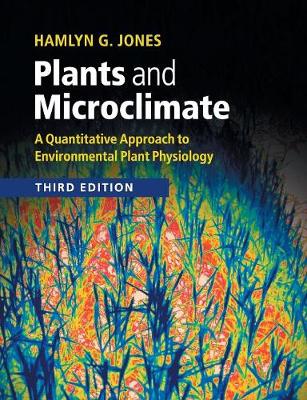
Paperback
£53.00In Stock
Hardback
£100.00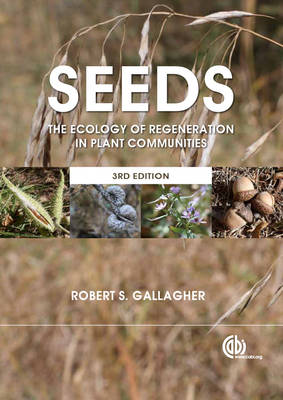
Hardback
Original price was: £115.15.£84.50Current price is: £84.50.
Paperback
£33.00
Reviews
There are no reviews yet.