


We ship worldwide - see checkout for options

Exceptional customer service trusted by 100's
£150.00
We ship worldwide - see checkout for options
Exceptional customer service trusted by 100's
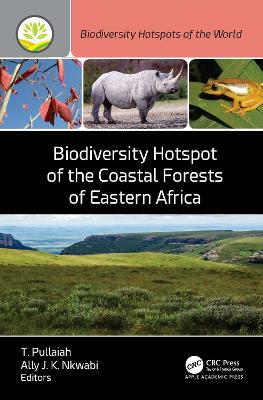
Biodiversity is declining at an alarming rate due to anthropogenic activities around the world. This book is part of the new series Biodiversity Hotspots of the World, which highlights the 36 hotspot regions of the world that are Earth’s most biologically rich but threatened terrestrial regions, each defined by having at least 1,500 endemic plant species and having lost at least 70% of its original natural vegetation. This volume covers the Coastal Forests of Eastern Africa Biodiversity Hotspot, which stretches along the eastern edge of Africa and includes parts of Somalia, Kenya, Tanzania, and Mozambique. All islands lying immediately offshore are also part of the hotspot—Pemba, Zanzibar, Mafia and the Bazaruto Archipelago among them. While it is difficult to document the biodiversity of this inhospitable terrain, the coastal forests have exceptionally rich biodiversity and high endemism, with 11,000 species of plants and animals, including 1000 species of seaweed, 3000 species of mollusks, and 1500 species of fish. Anthropogenic activities including deforestation, fragmentation of habitats, pollution, increased human population, climate change, and poaching of wildlife pose serious threats to the biodiversity of the region.
| Weight | 0.7188708 kg |
|---|---|
| Author | |
| Editor | |
| Photographer | |
| Format | |
| Illustrators | |
| Publisher |
Only logged in customers who have purchased this product may leave a review.
Hardback
£78.95
Paperback / softback
£28.95
Hardback
£96.95
Paperback / softback
£12.95
Hardback
Original price was: £25.00.£18.75Current price is: £18.75.
Paperback / softback
£9.95
Hardback
£147.50
Paperback
£9.95
Reviews
There are no reviews yet.