


We ship worldwide - see checkout for options

Exceptional customer service trusted by 100's

£44.95
We ship worldwide - see checkout for options
Exceptional customer service trusted by 100's
Environmental, economic, and social conditions of the United States rely upon healthy, productive, and sustainable forests. Forests provide communities with clean air and water, recreational lands, cultural and social opportunities, jobs, lumber, and specialty forest products. Urban, rural and wildland forests are threatened by native disease-causing organisms as well as non-native invasives introduced by global trade and transportation. Disease may kill trees outright or reduce both tangible and intangible products and ecosystem services that forests provide. Forest diseases are caused by biotic infectious pathogens (e.g., fungi, bacteria, viruses, nematodes, parasitic plants) and/or abiotic factors such as adverse environmental conditions (e.g., extreme temperatures, drought, mechanical injury due to human activity). Except for very high-value urban and community plantings, forest pathology most often addresses disease in forest stands or landscapes rather than individual trees. Over 11 million hectares (27 million acres) of U.S. forest lands have been damaged by disease according to national forest inventories from 2012-2021. Disease is the third leading cause of annual tree death resulting in large volume losses (88 million cubic meters or 3,108 million cubic feet); only insects and unknown causes are larger. Projected losses for 2012 – 2027 based on risk assessment models are between 15 and 60 percent of host basal area in western forests and exceed 60 percent in forests of southeastern states. In addition to the direct damage from growth loss and tree mortality, tree diseases may create a cascade of effects that change forest structure, composition, and function. Mortality associated with disease outbreaks may also decrease cooling afforded by shade trees, reduce wildlife habitat, increase soil erosion, and reduce other important forest ecosystem services. The book synthesizes recent research on the science of forest diseases and pathogen-host-environmental relationships, impacting management practices in diverse ecosystems and multiple regions of the United States. The book covers diseases resulting from different pathogen types, abiotic agents, and disease complexes and epidemics. Management tools and techniques for detection, monitoring, diagnosis, control, mitigation, and restoration of ecosystems severely impacted by tree diseases are discussed in the book. The synthesis incorporates findings from over 1000 research publications and reports and contains summaries of the most important pathogens and abiotic agents causing damage to forest ecosystems. The well-illustrated volume provides the cultural, economic, scientific, and social context to address current and future challenges posed by forest tree pathogens and abiotic agents.
| Weight | 0.5 kg |
|---|---|
| Author | |
| Editor | |
| Photographer | |
| Format | |
| Illustrators | |
| Publisher |
Only logged in customers who have purchased this product may leave a review.

Paperback
£6.75
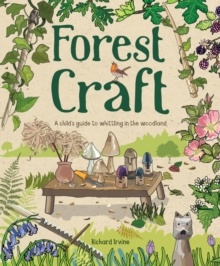
Paperback
Original price was: £16.99.£16.95Current price is: £16.95.In Stock

Hardback
Original price was: £150.00.£75.00Current price is: £75.00.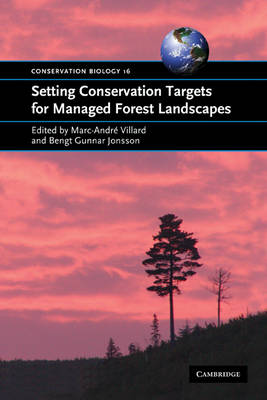
Hardback
£105.00

Paperback
£26.00
Reviews
There are no reviews yet.