


We ship worldwide - see checkout for options

Exceptional customer service trusted by 100's

£43.95
We ship worldwide - see checkout for options
Exceptional customer service trusted by 100's
This book explores the human–nature relationship and the ways individuals and communities understand their place within the larger web of life. At its heart is the concept of ecological identity: how our sense of self is shaped by our relationship with the rest of the natural world. Drawing on current research and theory, the book explores the connections among identity, values, and behavior and examines key ideas including biophilia, ecocentrism, posthumanism, ecological perspective-taking, and reciprocity. It considers why a strong ecological identity matters not only for individual and community well-being, but also for the health of the natural world. The book moves beyond theory to offer practical ways to deepen our connection with the more-than-human world of nature and strengthen our ecological identity. It concludes with an urgent call to replace the dominant view of humans as separate from and superior to the rest of nature, with an eco-centric view which values and respects all aspects of the natural world. The book includes two appendices: one offering guidelines and suggestions for readers interested in writing their own ecological autobiography; the other providing excerpts from the author’s ecological autobiography, along with insights into how social and spiritual experiences influenced the development of her ecological self. This book will be of interest to students, scholars, and practitioners across environmental science, philosophy, psychology, and education. It will also appeal to those interested in deepening their connectedness to nature and/or gaining a better understanding of ecological identity and its impact on individuals, groups, and the natural world.
| Weight | 0.3431376 kg |
|---|---|
| Author | |
| Editor | |
| Photographer | |
| Format | |
| Illustrators | |
| Publisher |
Only logged in customers who have purchased this product may leave a review.
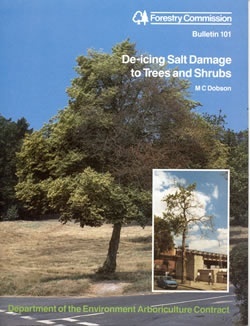
Paperback
£6.75
CD
£0.00
Paperback
£0.00
Paperback
£17.00
Paperback
£17.00 Paperback
Original price was: £15.00.£10.00Current price is: £10.00.In Stock


Reviews
There are no reviews yet.