


We ship worldwide - see checkout for options

Exceptional customer service trusted by 100's
£64.95
We ship worldwide - see checkout for options
Exceptional customer service trusted by 100's
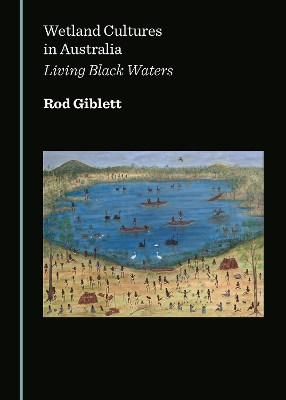
This book engages in critical cross-cultural dialogue for the decolonization and conservation of wetlands in Australia. It is the first book to present studies of wetland cultures on a comprehensive, state-by-state basis across Australia from north to south, east to west and within Aboriginal, colonial and postcolonial cultures and histories. It considers the material and physical aspects of wetlands, including the culture of their cultivation and consumption by Aboriginal people and their denigration and destruction, or aestheticization and embankment, by colonists. It shows that Aboriginal peoples used and still use land, water and tools to cultivate wetlands, as the basis for their civilizations and as indicators of ownership of the land in widely separated places in Australia. It argues that the Native Title Act should be amended and extended to include Aboriginal agriculture and paludiculture as tests. Wetland cultures in Australia are major and crucial points of cultural difference.
| Weight | 0.439264 kg |
|---|---|
| Author | |
| Editor | |
| Photographer | |
| Format | |
| Illustrators | |
| Publisher |
Only logged in customers who have purchased this product may leave a review.
Paperback
£8.95
Flexibound
Original price was: £59.00.£54.00Current price is: £54.00.In Stock

Paperback
£12.50
Paperback
Original price was: £59.00.£44.50Current price is: £44.50.
Hardback
Original price was: £219.95.£210.00Current price is: £210.00.
Paperback
£6.00 Paperback
£40.00 Paperback
£6.00
Reviews
There are no reviews yet.