


We ship worldwide - see checkout for options

Exceptional customer service trusted by 100's
£21.95
We ship worldwide - see checkout for options
Exceptional customer service trusted by 100's
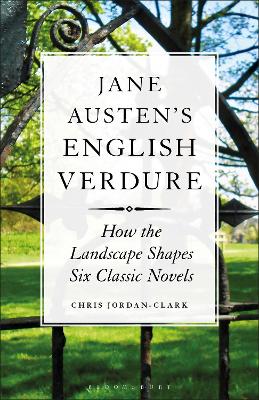
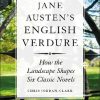
Why does the landscape matter in Jane Austen’s novels? Horticulturist and literary scholar Chris Jordan-Clark offers a much needed and hitherto neglected context for the landscapes in Austen’s fiction. Jordan-Clark brings experience as a horticulturist to her historical, cultural and horticultural readings of Sense and Sensibility, Pride and Prejudice, Mansfield Park, Emma, Northanger Abbey and Persuasion. She shows that Austen’s representations of landscape and setting are vitally important to a more nuanced understanding of her characters, especially regarding their sex and social status. Analysing Austen’s male characters – who own, rent or use landscapes in ways suitable to their station – alongside the female characters – who are, for the most part, barred from land ownership – the author considers how ownership shapes male characters while women use the landscape in revealing ways: for privacy, for thinking, for exercise, for sharing secrets and, of course, for courtship. Some are enraptured by the landscape, as fashion requires, while others enjoy it in ways that are deemed unfeminine; some women feel discomfort and unease in the outdoors, while others aspire to the security and privilege that land ownership brings. Engaging with horticultural history, environmental literary studies and British cultural history, Jane Austen’s English Verdure reveals how all of Austen’s characters are figures in a meaningful landscape, providing a significant tool for further understanding of the novels.
| Weight | 0.4385808 kg |
|---|---|
| Author | |
| Editor | |
| Photographer | |
| Format | |
| Illustrators | |
| Publisher |
Only logged in customers who have purchased this product may leave a review.
Hardback
Original price was: £245.00.£225.00Current price is: £225.00.
Paperback
£135.00
Hardback
Original price was: £245.00.£225.00Current price is: £225.00.
Paperback
£65.95
Paperback
£61.00
Paperback
£0.00
Paperback
Original price was: £25.00.£20.00Current price is: £20.00.In Stock
Reviews
There are no reviews yet.