


We ship worldwide - see checkout for options

Exceptional customer service trusted by 100's
£75.00
We ship worldwide - see checkout for options
Exceptional customer service trusted by 100's
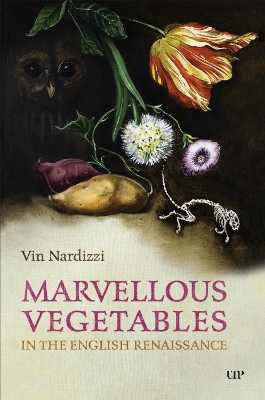
John Gerard’s natural history of plants, The Herball (1597), is considered a failure in the history of science. Despite this reputation, it has endured as an aesthetic resource. Its illustrations were used as needlework patterns, and strewn across its pages are extracts of classical poetry, including Ovid’s Metamorphoses, that delight and instruct. It is little wonder that early modern poets, like Shakespeare and Milton, gathered inspiration from this storehouse of plants. In Marvellous Vegetables in the English Renaissance, Vin Nardizzi offers a reparative reading of Gerard’s “failed” text, particularly its chapters on leeks, laurels, tulips, and potatoes. Through a series of experiments in speculative natural history, which require an analysis of both word and image, Nardizzi distills The Herball’s logic and poetics, its distinctions and infelicities, and demonstrates the entanglements of humans and plants at the core of Shakespeare’s plays. Exploring these “cross-kingdom” encounters, Nardizzi contributes to the burgeoning field of queer ecologies by treating plant natural history as a serious intellectual resource for writing a counter-history of embodiment at the turn of the seventeenth century. All we need do, Nardizzi proposes, is smell the flowers.
| Weight | 0.88 kg |
|---|---|
| Author | |
| Editor | |
| Photographer | |
| Format | |
| Illustrators | |
| Publisher |
Only logged in customers who have purchased this product may leave a review.


Paperback
£17.00

Paperback
Original price was: £15.00.£10.00Current price is: £10.00.In Stock

Hardback
Original price was: £88.00.£76.95Current price is: £76.95.



Reviews
There are no reviews yet.